These 20 children’s books, ranging from picture books to young adult novels, familiar classics to contemporary bestsellers, have a few things in common: they were critically acclaimed, they were widely read favorites for kids and families…and they have been banned or challenged in various schools or libraries around the country.
During Banned Books Week, recognized from October 4 to 10 this year, take the time to catch up on some of these classic and modern-classic books with your family. You can start a conversation with your child about why some people might not want these books in classrooms or libraries, even after they were carefully selected by literacy and education experts (teachers and librarians).
For some context, the American Library Association has reported that in 2025, less than 3 percent of book challenges were actually initiated by individual parents. Instead, 92 percent of all book challenges came from pressure groups, government officials and decision makers — which is an increase from 72 percent in 2024.
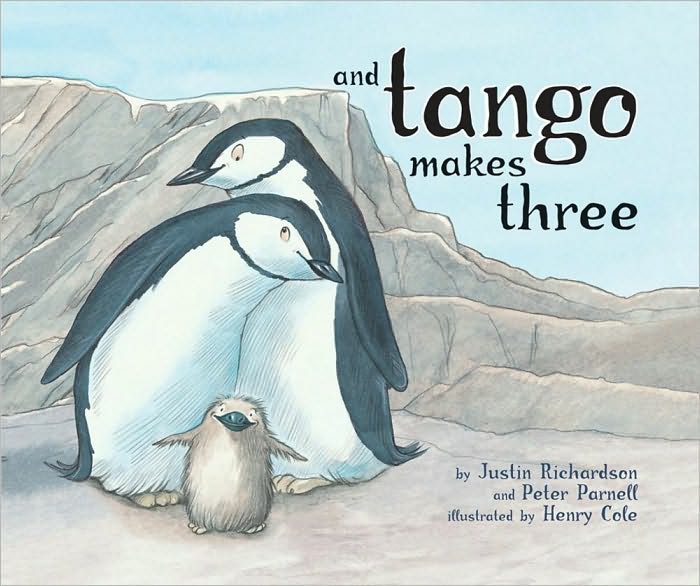
And Tango Makes Three by Justin Richardson and Peter Parnell
This picture book, based on the true story of two male penguins who raised a chick together at the Central Park Zoo, has been at the top of the list of most frequently challenged books several times since its publication in 2005. Reasons cited have included “anti-family,” “homosexuality,” and “religious viewpoint.”
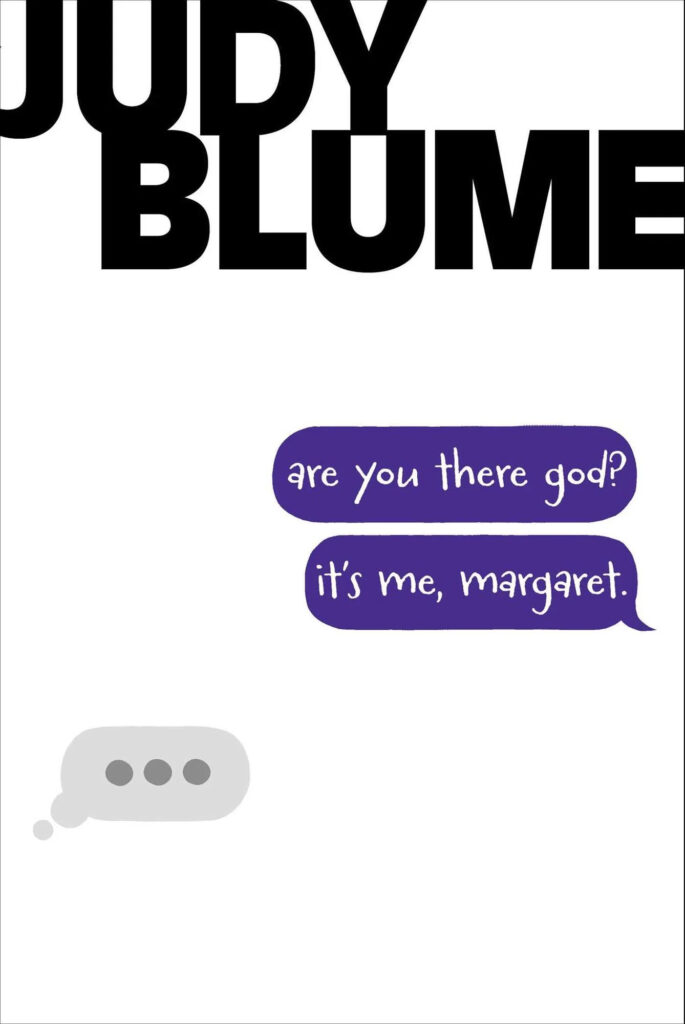
Are You There God? It’s Me, Margaret by Judy Blume
This classic middle grade book has been a lifeline for girls since its publication in 1970, because of its open discussion of periods and puberty, as well as religion as a personal choice. Those topics have also made it one of the most challenged books of the past few decades. In several schools, students have been restricted from checking out the book without written permission from their parents.
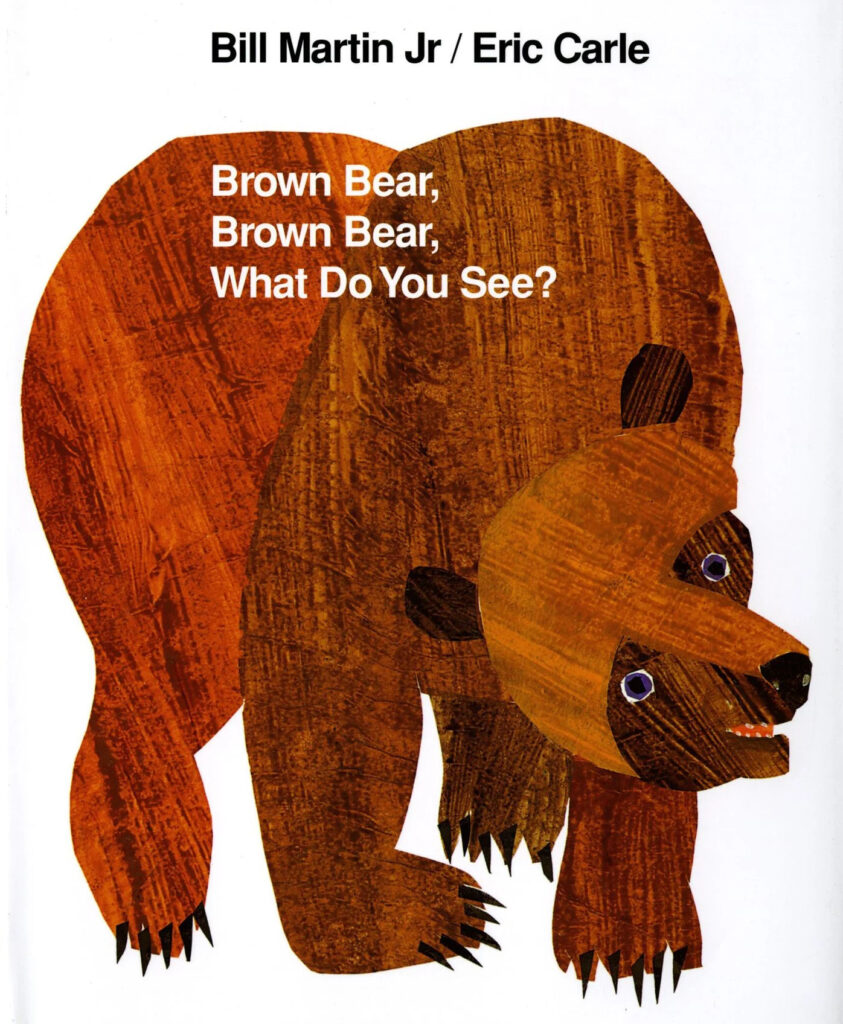
Brown Bear, Brown Bear, What Do You See? by Bill Martin Jr.
Bill Martin Jr., the author of this 1967 classic (illustrated by the famous Eric Carle), happens to share a name with a philosophy professor who writes about Marxism. That coincidence got the children’s book placed on a Texas banned-books list in 2010.
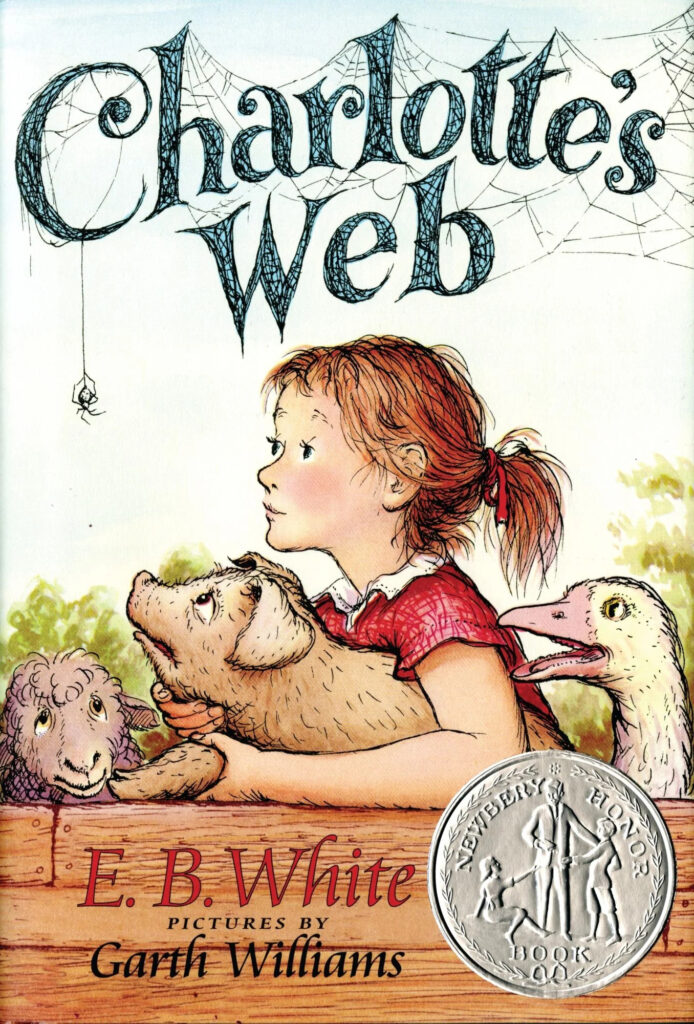
Charlotte’s Web by E.B. White
In 2006, a group in Kansas who believed that books featuring two talking animals must be the work of the devil succeeded in having this 1952 classic taken out of classrooms. According to them, humans are “the only creatures that can communicate vocally. Showing lower life forms with human abilities is sacrilegious and disrespectful to God.”
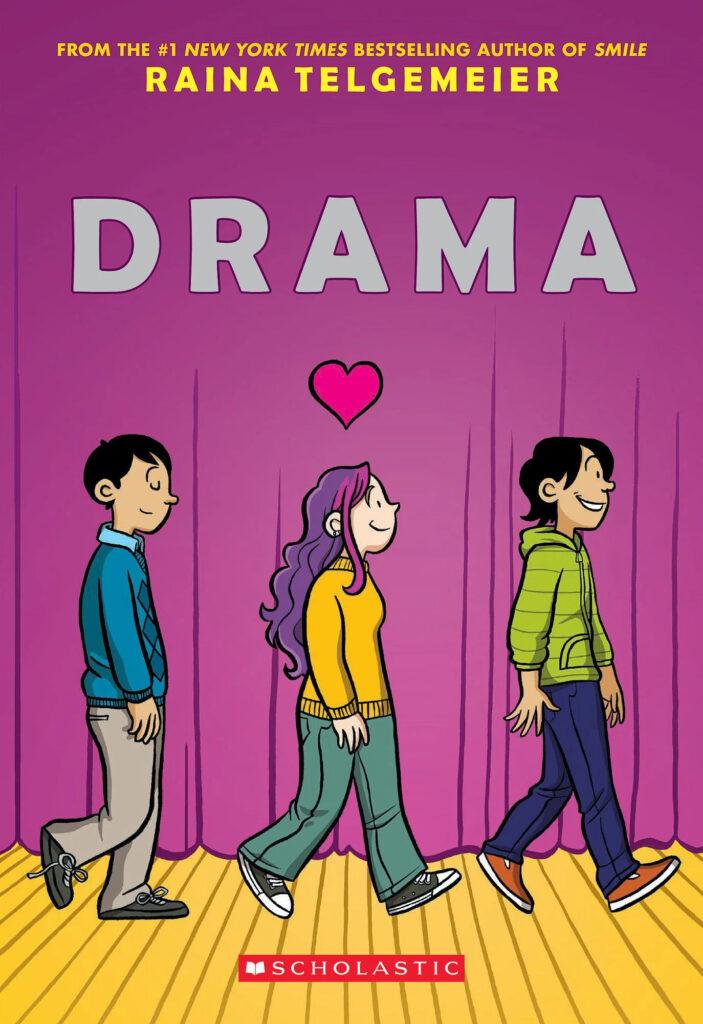
Drama by Raina Telgemeier
Drama is a bestselling graphic novel published in 2012 about a middle-school play whose cast includes characters exploring their queer identities. The book contains no sexual content, yet it has been banned for being “sexually explicit” or for an “offensive political viewpoint.”
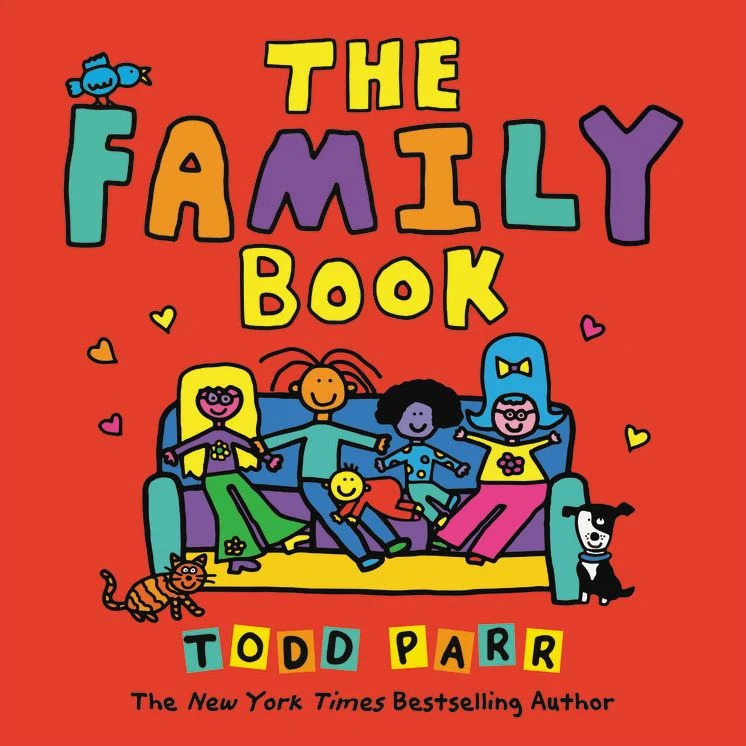
The Family Book by Todd Parr
Because of a page that states the simple fact, “Some families have two moms or two dads,” this 2003 picture book was banned from an Illinois school district in 2012 and appeared on the American Library Association’s Top 100 Most Banned and Challenged Books list for 2010–2019.
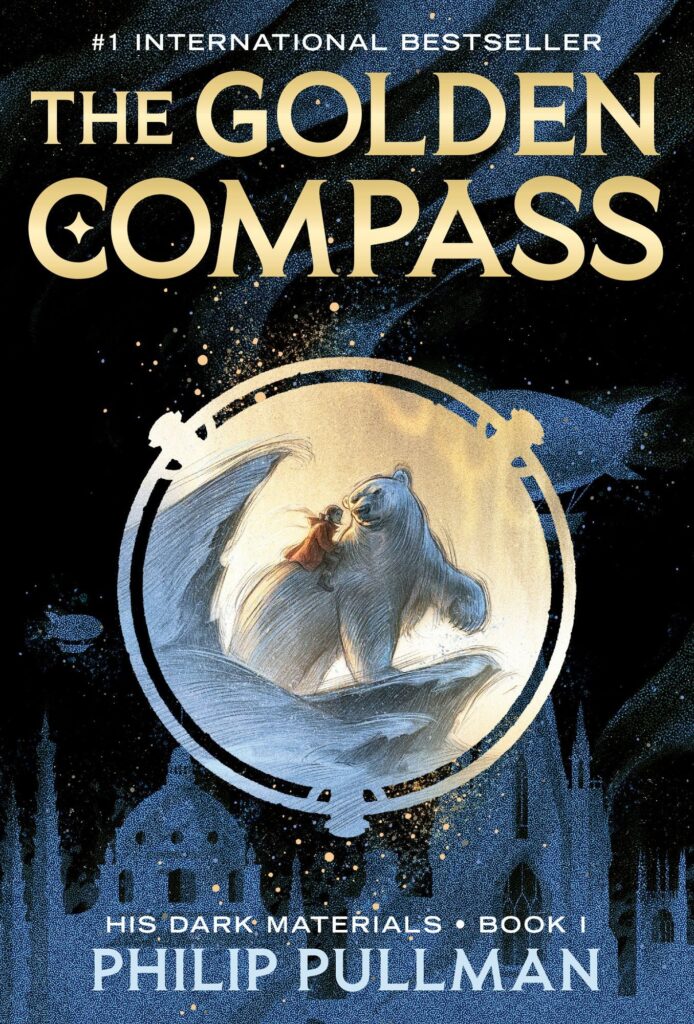
The Golden Compass by Philip Pullman
This upper middle grade/YA fantasy novel, popular with tweens and teens since its publication in 1995, has been challenged or removed from shelves many times because of complaints about “anti-religious” or “anti-Christian” messages.
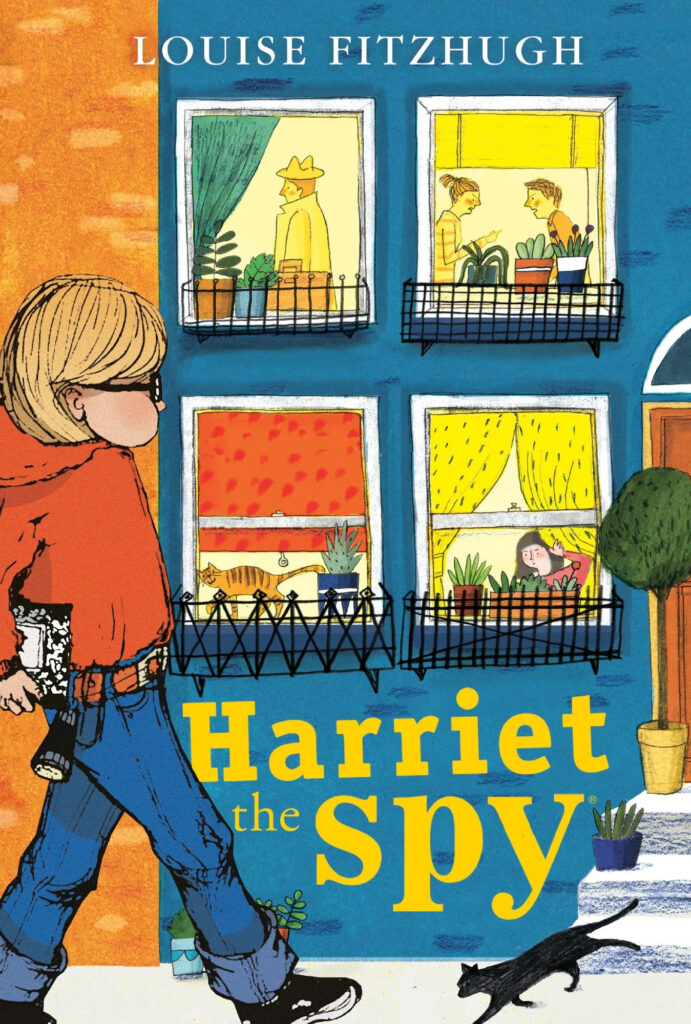
Harriet the Spy by Louise Fitzhugh
This well-loved middle grade novel from 1964 has been banned in several places due to claims that the main character was a “bad example” who encouraged children to spy, lie, and talk back to their parents.
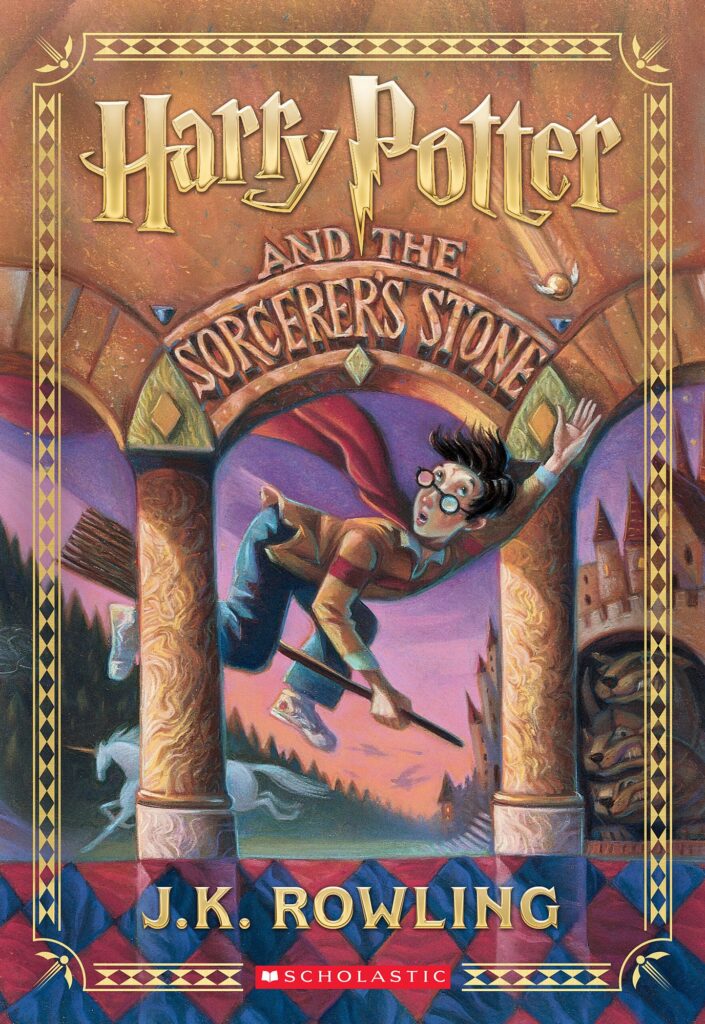
Harry Potter series by J.K. Rowling
The famous fantasy series that began in 1997 has been banned many times for containing wizardry, magic, curses and spells, and because of claims of “occult/Satanism” and “anti-family themes.”
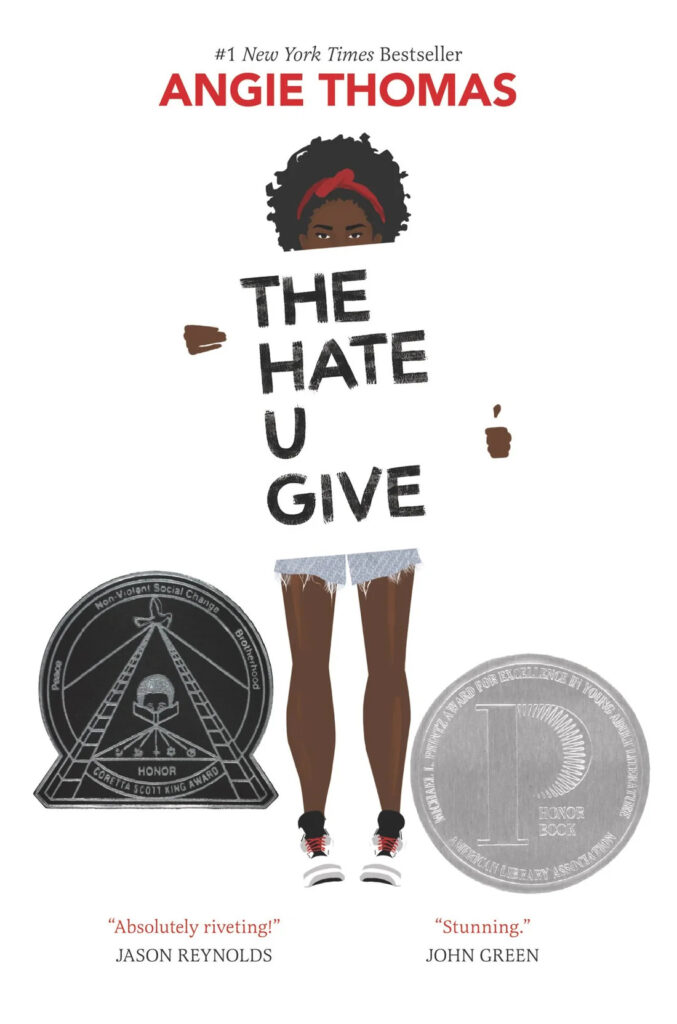
The Hate U Give by Angie Thomas
This bestselling contemporary YA novel has been one of the most frequently challenged books in the U.S. since its publication in 2017. Although it is recommended for older teens, critics have complained about the book’s frank discussion of police brutality and racism, and realistic depiction of urban neighborhood conditions.
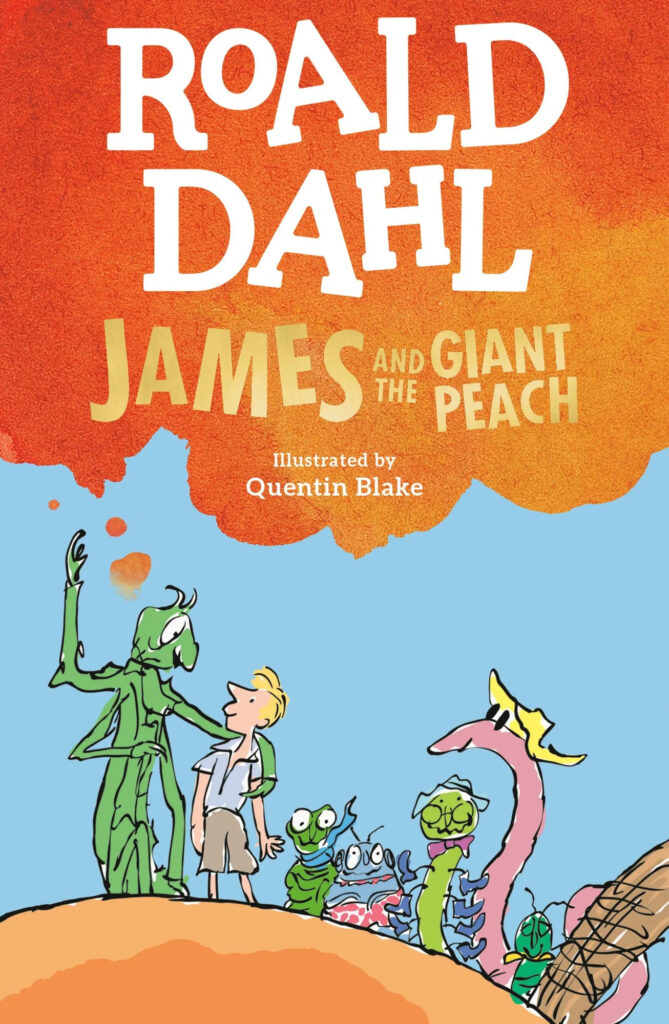
James and the Giant Peach by Roald Dahl
The classic novel from 1961 has been banned and challenged many times over the years due to complaints of the book being too scary, encouraging disobedience, and even promoting communism.
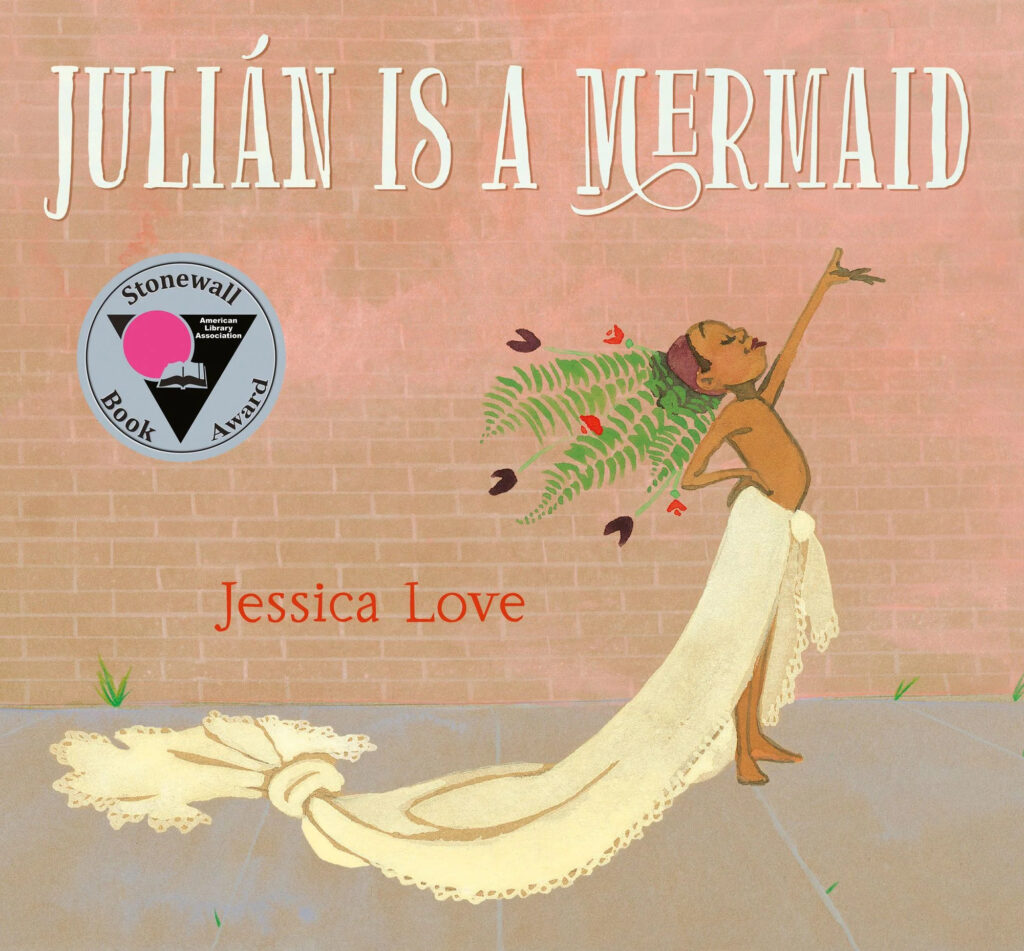
Julián Is a Mermaid by Jessica Love
This award-winning picture book from 2018 is a gentle story about a boy who wants to dress up like a mermaid. It has been one of the top banned picture books in recent years for simply depicting unconventional gender expression.
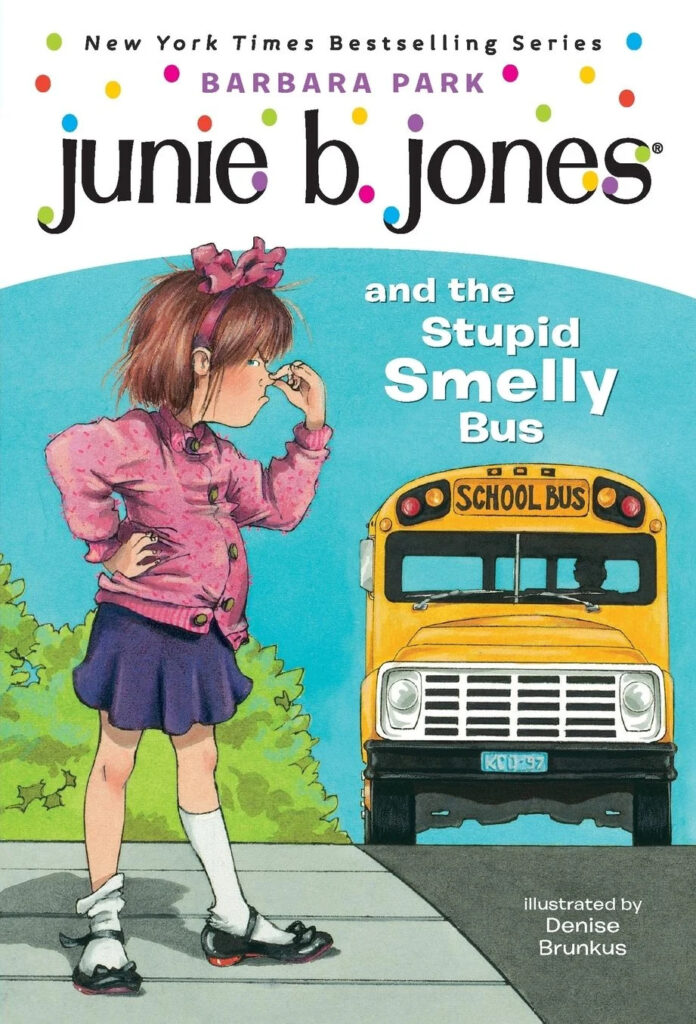
Junie B. Jones series by Barbara Park
The beloved Junie B. Jones series, which began in 1992, still appeared on the American Library Association’s list of the Top 100 Most Banned and Challenged Books between 2000 and 2009 because of complaints about its mischievous humor and “improper” grammar.
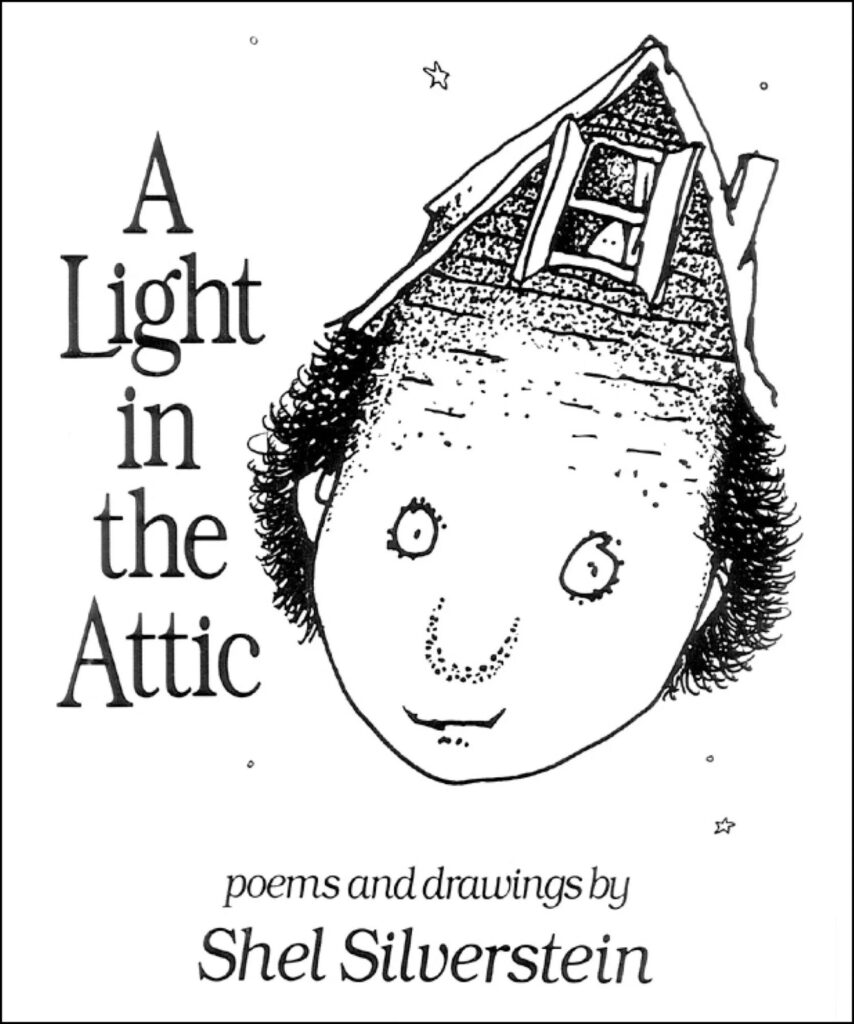
A Light in the Attic by Shel Silverstein
This 1981 book of wacky, humorous poetry was banned in a Florida school and challenged in other schools during the 1980s and 1990s because of claims that the poems promoted disobedience, violence, Satanism, and cannibalism.
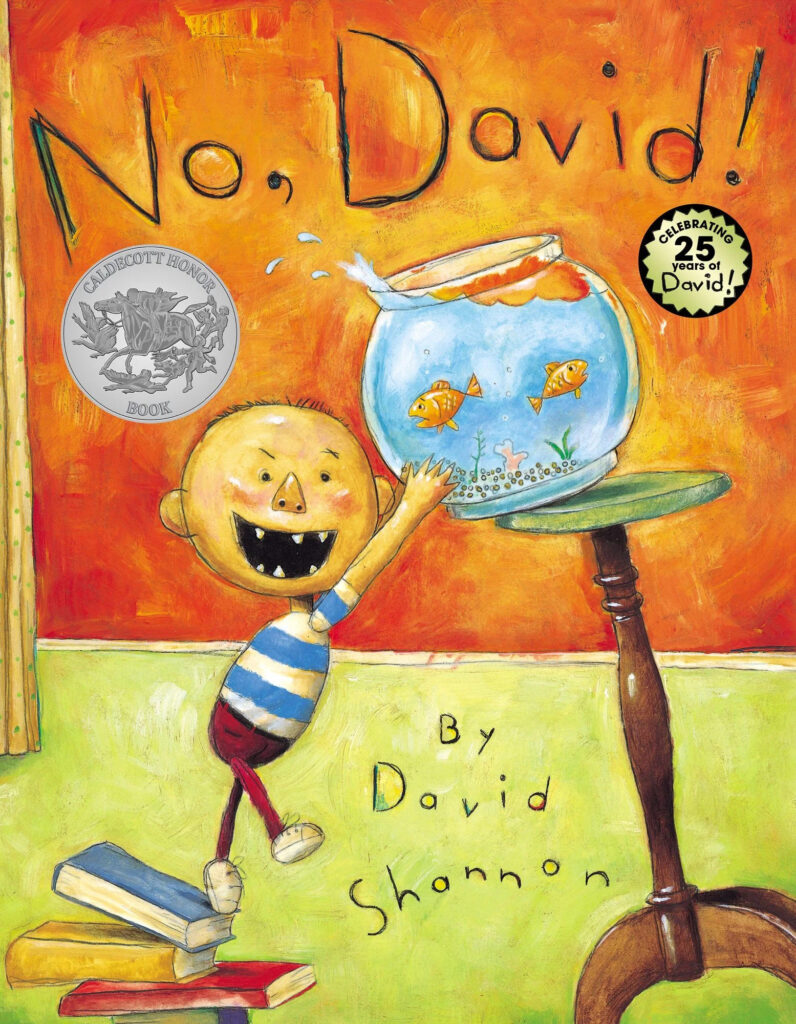
No, David! by David Shannon
This popular picture book about a mischievous boy earned awards and accolades after its publication in 1998. It has also been banned multiple times for complaints about “nudity” and “age-appropriateness.”
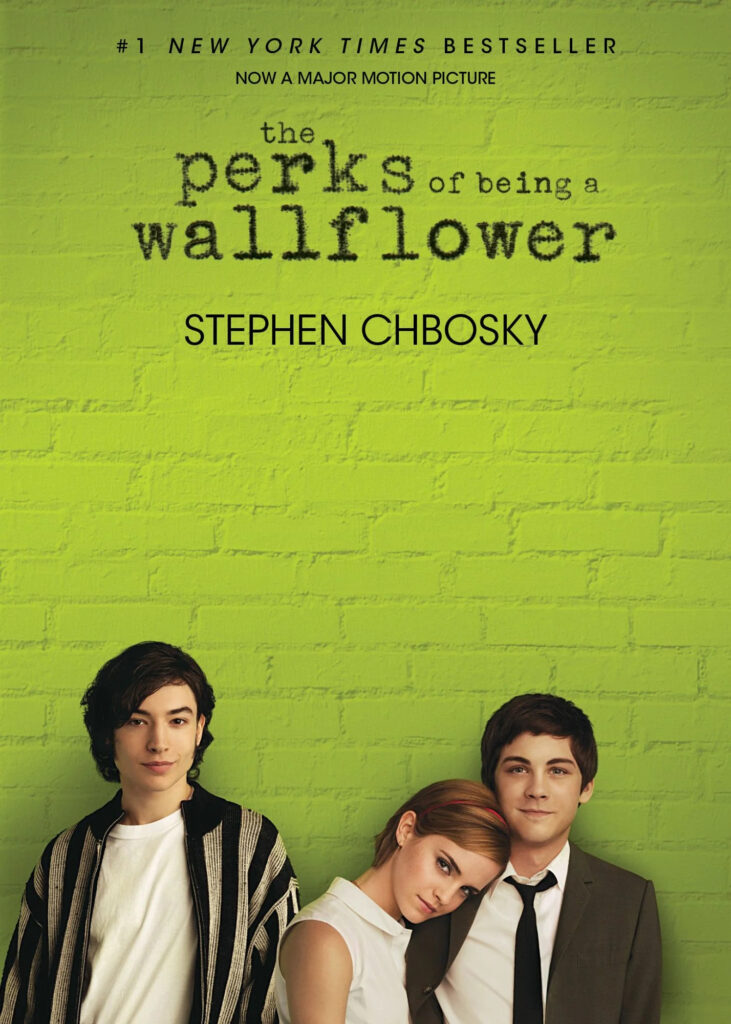
The Perks of Being a Wallflower by Stephen Chbosky
Critically acclaimed since it was released in 1999, this YA novel has been made into a movie and compared to Catcher in the Rye, yet it continues to face bans and challenges. Challengers typically cite the presence of sexual content, abuse, LGBTQ+ themes, and substance use in the book.
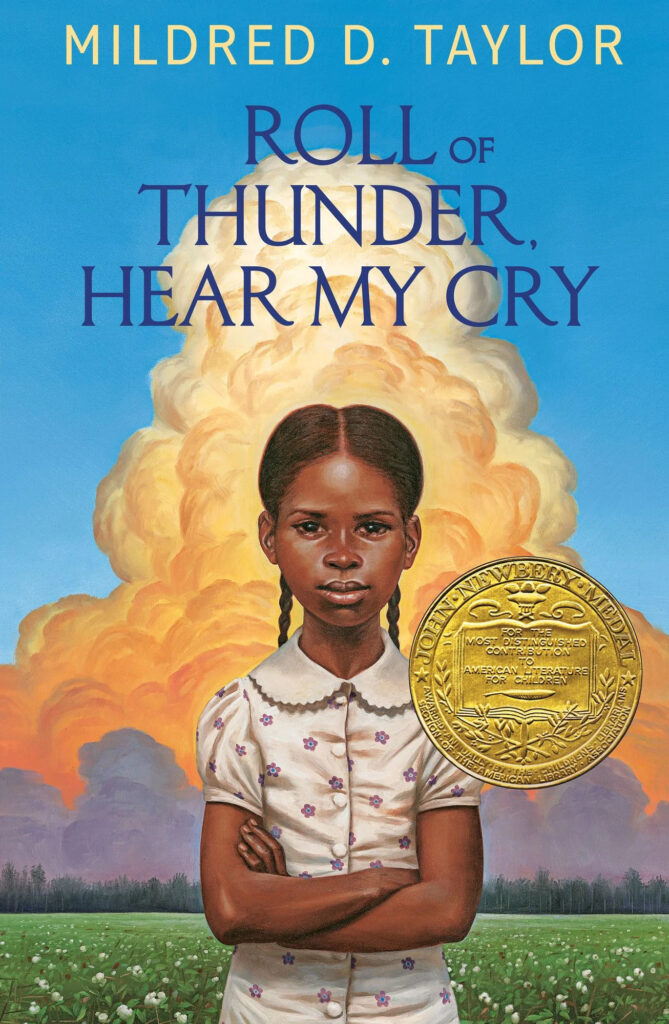
Roll of Thunder, Hear My Cry by Mildred D. Taylor
Because of its realistic depictions of racism, this historical fiction, Newbery Medal-winning book from 1977 has been banned and challenged many times. In response to censorship efforts, the author has said: “Although there are those who wish to ban my books because I have used language that is painful, I have chosen to use the language that was spoken during the period, for I refuse to whitewash history. The language was painful and life was painful for many African Americans, including my family. I remember the pain.”
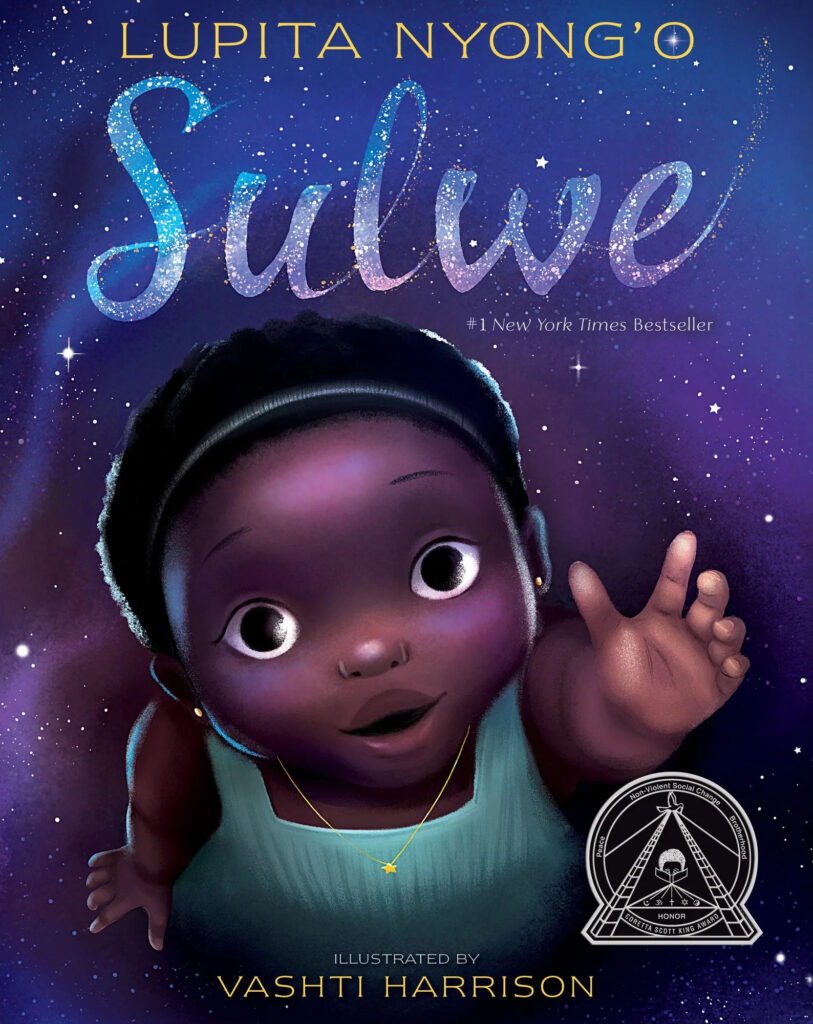
Sulwe by Lupita Nyong’o
Published in 2019, this picture book uniquely addresses colorism from a dark-skinned little girl’s perspective. It has been challenged in Florida and Pennsylvania, having been on a list of books that detractors called “divisive,” “racist,” and “socialist.”
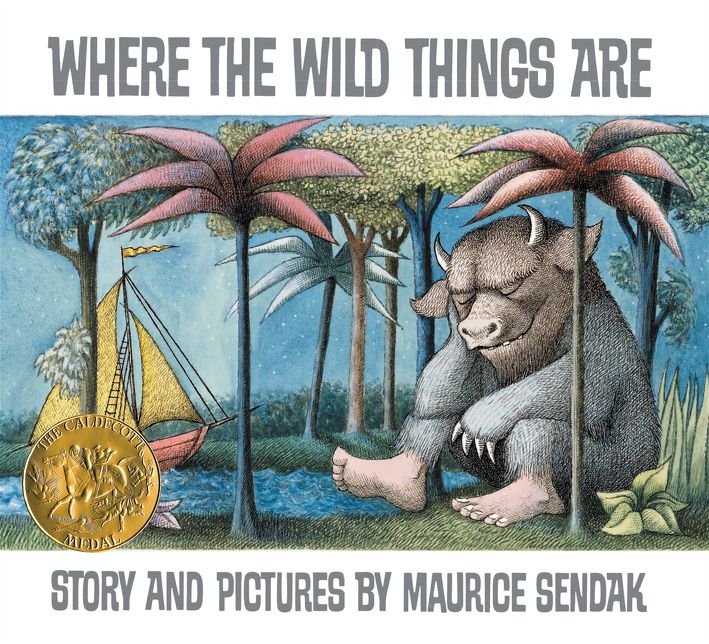
Where the Wild Things Are by Maurice Sendak
This classic picture book was banned and challenged several times following its release in 1963 due to claims that it was too psychologically damaging and contained references to witchcraft and the supernatural.
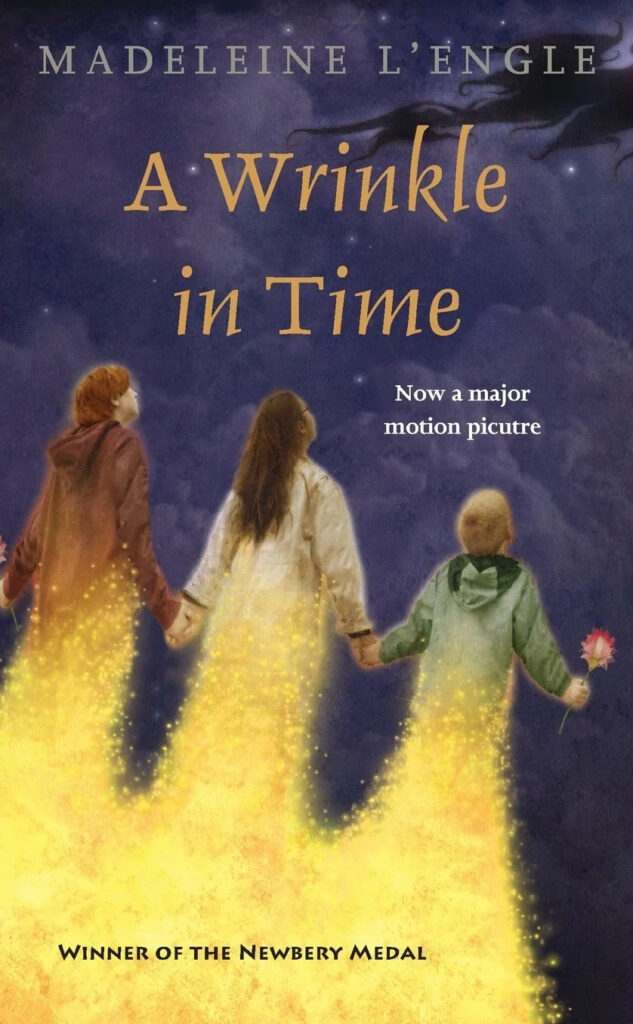
A Wrinkle in Time by Madeleine L’Engle
The Newbery Medal-winning science fiction novel from 1962 has been frequently challenged, even during this century. One of the major sources of controversy has been the mix of science and spirituality themes in the book, leading some to claim it was anti-Christian or pro-witchcraft.