With all of the rumors, misinformation, and disinformation that are constantly circulating online, learning how to spot false information is a crucial skill for all kids and teens growing up today.
Young kids often don’t really know the difference between fact and fiction, and they gradually come to understand the importance of that distinction. As they get older, they’re increasingly surrounded by media and social media posts that can be sensational, exaggerated, or full of false claims.
In this digital age, media literacy is of paramount importance for people of all ages. Starting earlier than you think, you can start to arm your kids with critical thinking skills that will help them steer clear of scams, lies, extremist content, and false promises as they grow up and form their knowledge and beliefs about the world.
The following books will help you start conversations with your child about facts versus opinions, fake news, conspiracy theories, and more. Having these discussions will help both of you navigate media consumption and social situations where rumors are quickly spread — and will make them feel safer coming to you with questions and concerns about what they see online.
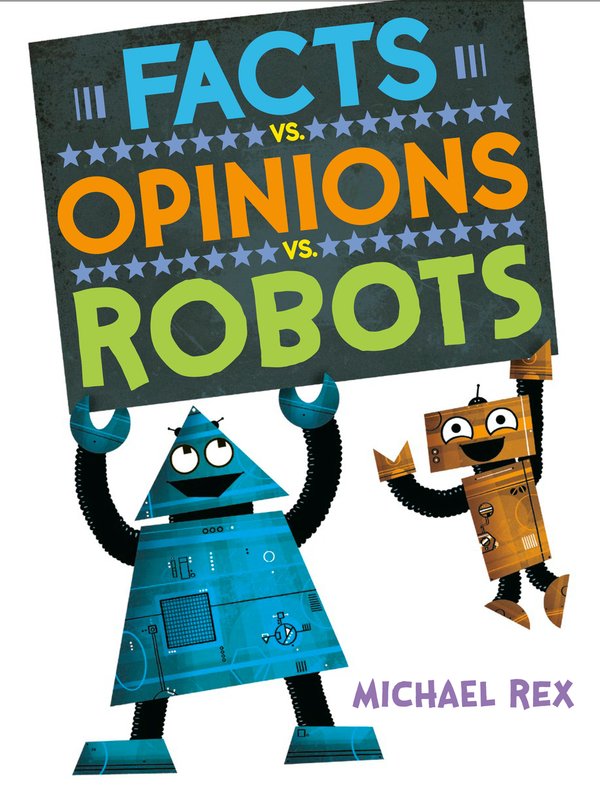
Facts vs. Opinions vs. Robots by Michael Rex
Age: 5-8
To teach young kids about the difference between facts and opinions, author and illustrator Michael Rex uses a healthy dose of humor — and robots! This picture book will make you laugh together, while absorbing valuable lessons that help kids make sense of the world.
Buy: Bookshop | Better World Books | Barnes & Noble
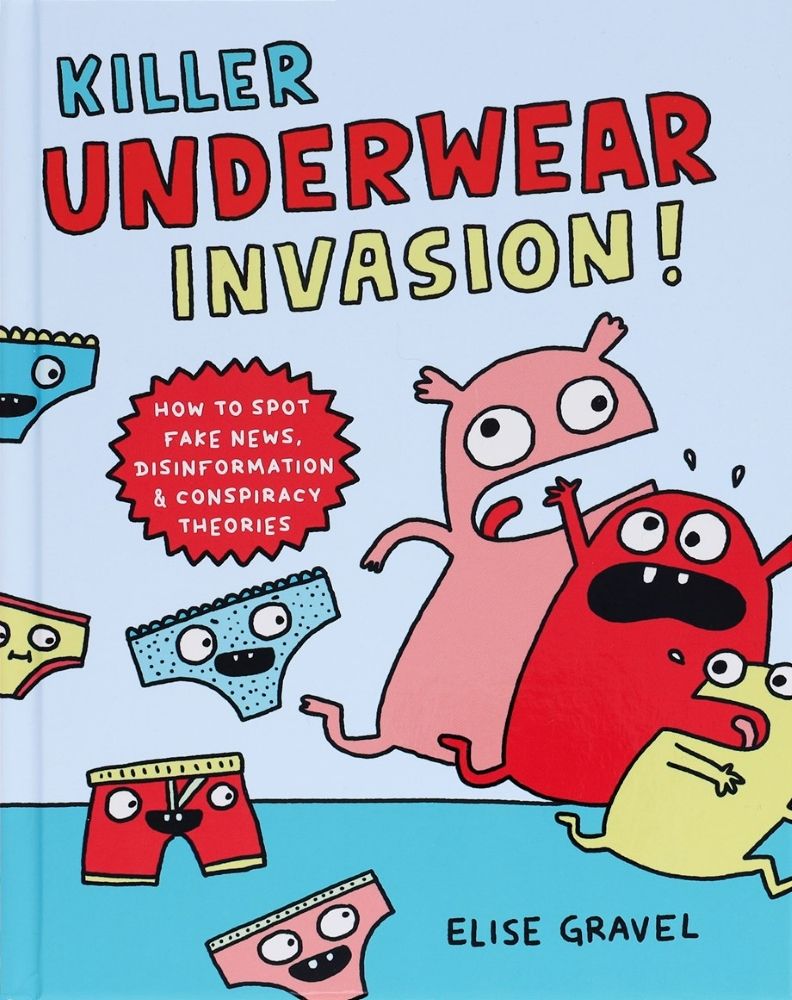
Killer Underwear Invasion!: How to Spot Fake News, Disinformation & Conspiracy Theories by Elise Gravel
Age: 8-12
Using silly stories and images, author and illustrator Elise Gravel gives kids tips on how to tell whether an outrageous tale is true or not. This middle grade book empowers kids to hone and use their critical thinking skills to navigate media consumption.
Buy: Bookshop | Better World Books | Barnes & Noble
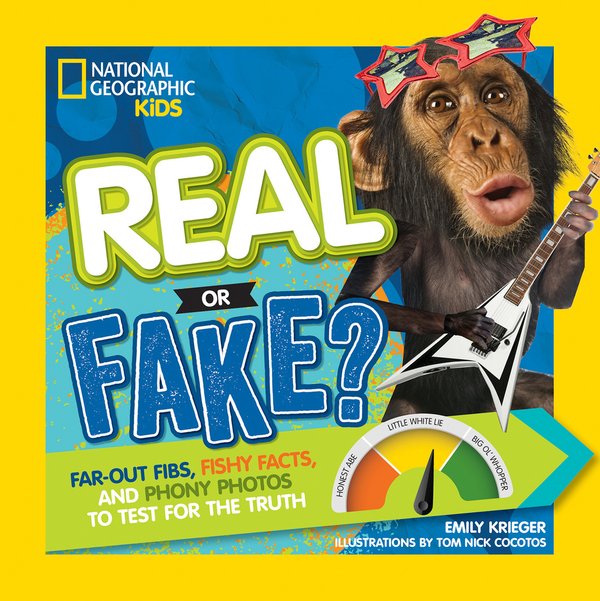
Real or Fake? Far-Out Fibs, Fishy Facts, and Phony Photos to Test for the Truth by Emily Krieger
Age: 8-12
The first of three in this National Geographic Kids book series engages kids in figuring out what’s true and what’s suspicious. The wacky tales, strange facts, and fake pictures in this book will give them memorable examples of how the truth can be proven — or fabricated. You can also watch the Real or Fake? game show series together on YouTube.
Buy: Bookshop | Better World Books | Barnes & Noble
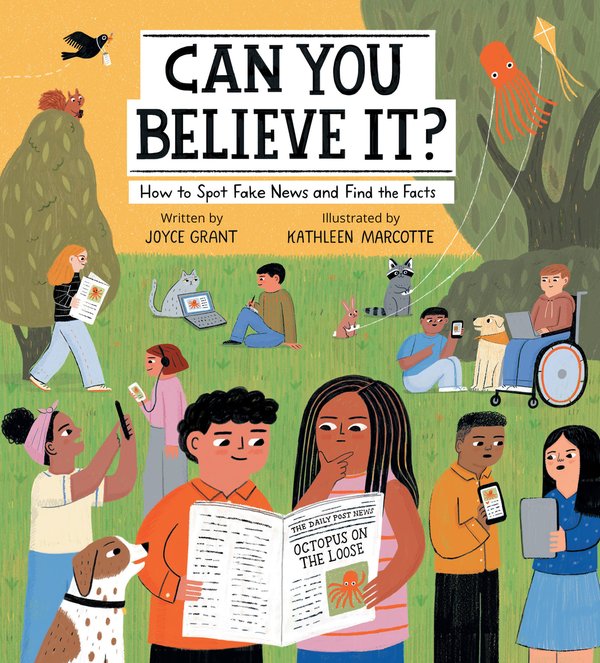
Can You Believe It?: How to Spot Fake News and Find the Facts by Joyce Grant
Age: 9-12
This middle grade book written by a journalist breaks down how the news is made, and how to tell credible sources from suspicious ones. The author speaks to young people in a relatable, nonjudgmental way, guiding them through what to look out for when it comes to influencers, online media, and fake news.
Buy: Bookshop | Better World Books | Barnes & Noble
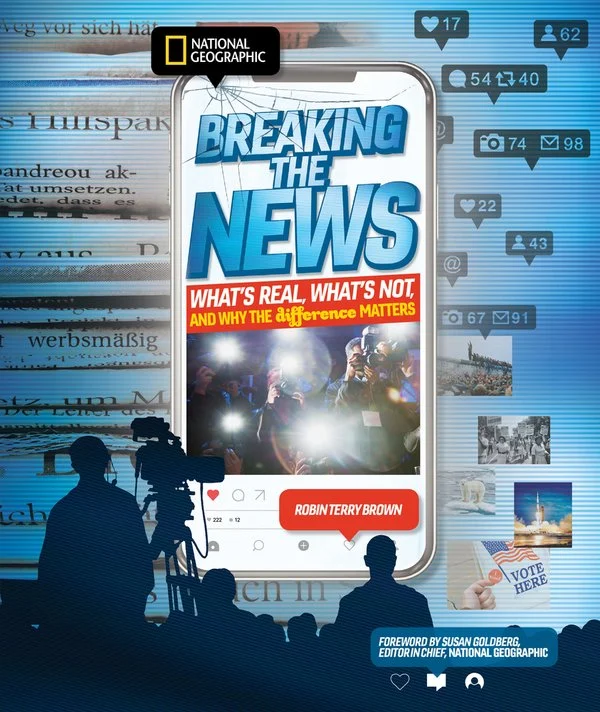
Breaking the News: What’s Real, What’s Not, and Why the Difference Matters by Robin Terry Brown
Age: 10-16
This book from National Geographic delves into what we all take for granted about the news — how the concept of “the truth” evolved over time, and how newspapers, radio, TV, and the internet changed the world. Teens and tweens will be fascinated with the digestible stories about gossip in the town square, hoaxes and propaganda, and why the press is so important today.
Buy: Bookshop | Better World Books | Barnes & Noble
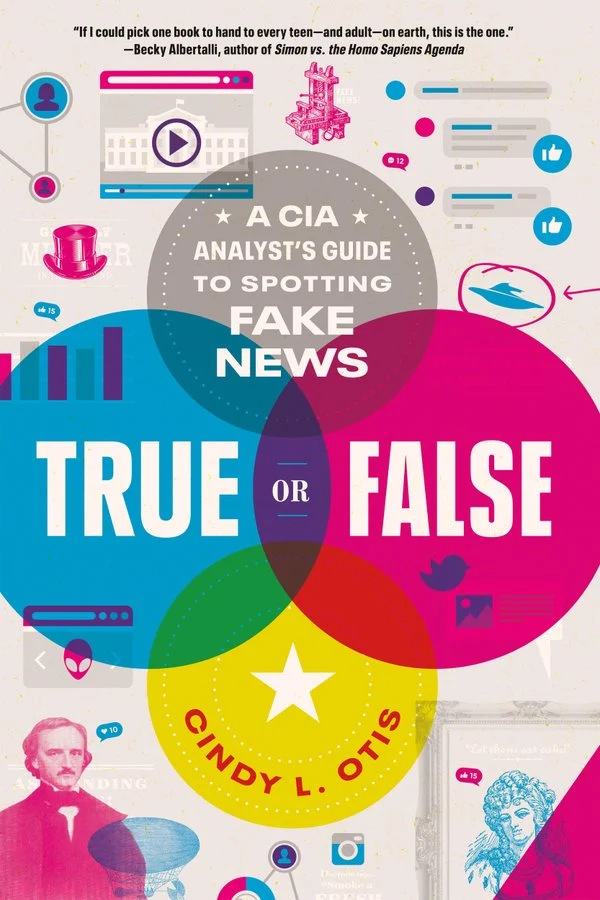
True or False: A CIA Analyst’s Guide to Spotting Fake News by Cindy L. Otis
Age: 13-18
In this amusing and fast-paced YA book, a former CIA analyst informs readers about times in recent and ancient history when propaganda was spread to try to trick citizens. The book also teaches teens what goes into fact checking, and how they can become information detectives themselves.
Buy: Bookshop | Better World Books | Barnes & Noble