Popular kids’ movies like KPop Demon Hunters and Frozen may offer some modernized messages about girls and women, but those female leads are still designed to have unrealistic body proportions. Many other kids’ shows and movies tend to make larger-sized characters into jokes or portray fatter body shapes as shameful. Even the preschool cartoon Peppa Pig regularly makes fun of Daddy Pig’s large tummy and lack of physical fitness.
The ultra-thin bodies that are usually idealized in popular media aren’t even attainable for most people, especially kids. Besides, being Barbie-thin (for girls and women) or having a six-pack (for boys and men) certainly isn’t the only way to be a healthy role model.
“We’re swimming in a toxic soup of negative messaging about what bodies are supposed to look like,” said Jocelyn R. Lebow, Ph.D., L.P., a psychologist at Mayo Clinic in Rochester, Minnesota. “Two- and 3-year-olds already understand differences in body size and may already be picking up on the value judgments our culture places on bigger versus smaller bodies.”
Fortunately, there are kids’ movies and shows that take a more thoughtful, inclusive approach to body image. The following family movies and children’s TV and video series have more realistic body representation, and more body-positive messages, than the average popular media — plus, they’re super entertaining!
Kids’ movies with positive body representation
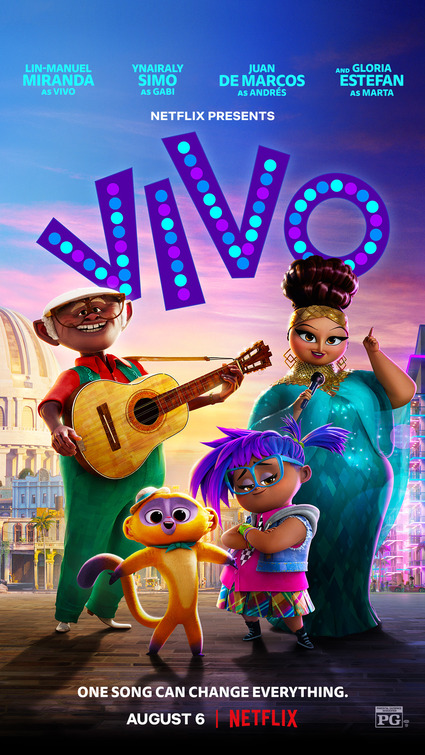
Vivo (age 6+)
Vivo, an animated film about the power of music, friendship, and love, unabashedly displays a wide variety of body types all the way from its first scene to its last. The endearing characters, the action-packed scenes in Cuba and Florida, and the music by Lin-Manuel Miranda work together to create a memorable and emotional family film.
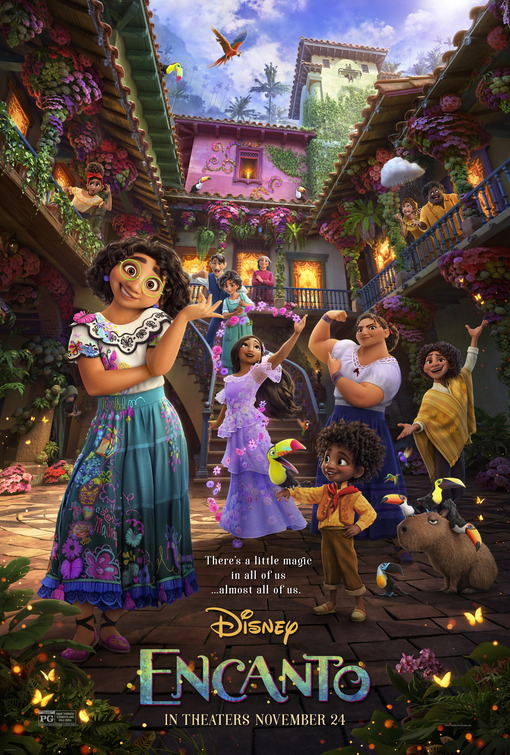
Encanto (age 6+)
This popular Disney movie was remarkable for its music, its Latin representation, and its variety of female role models. Luisa, the main character’s sister, is not only big, strong, and magical, but also shows emotional depth. Meanwhile, the main character, Mirabel, is portrayed as average sized, which can be hard to find in Disney films.
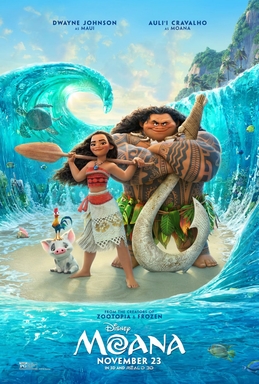
Moana (age 6+)
It shouldn’t be revolutionary to see an average-sized Disney princess, but Moana is one of the only examples out there. Plus, her active, adventurous spirit and ability to persevere and stand up for herself make her an awesome role model for kids. Researchers from the University of California, Davis, found that “Princesses with average body size created a protective effect, strengthening how confident children feel about their own bodies and freeing them to play in different ways.”
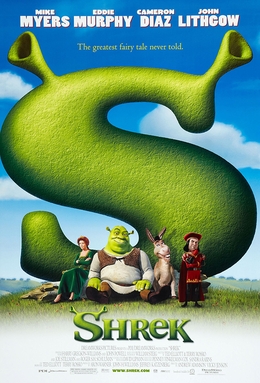
Shrek (age 6+)
This modern classic purposely addresses beauty and body image differently than your typical princess movie. It may be about an ogre, but the themes of prejudice and self-acceptance that come up in Shrek and Fiona’s story are still great fodder to discuss body image and appearance further with kids.
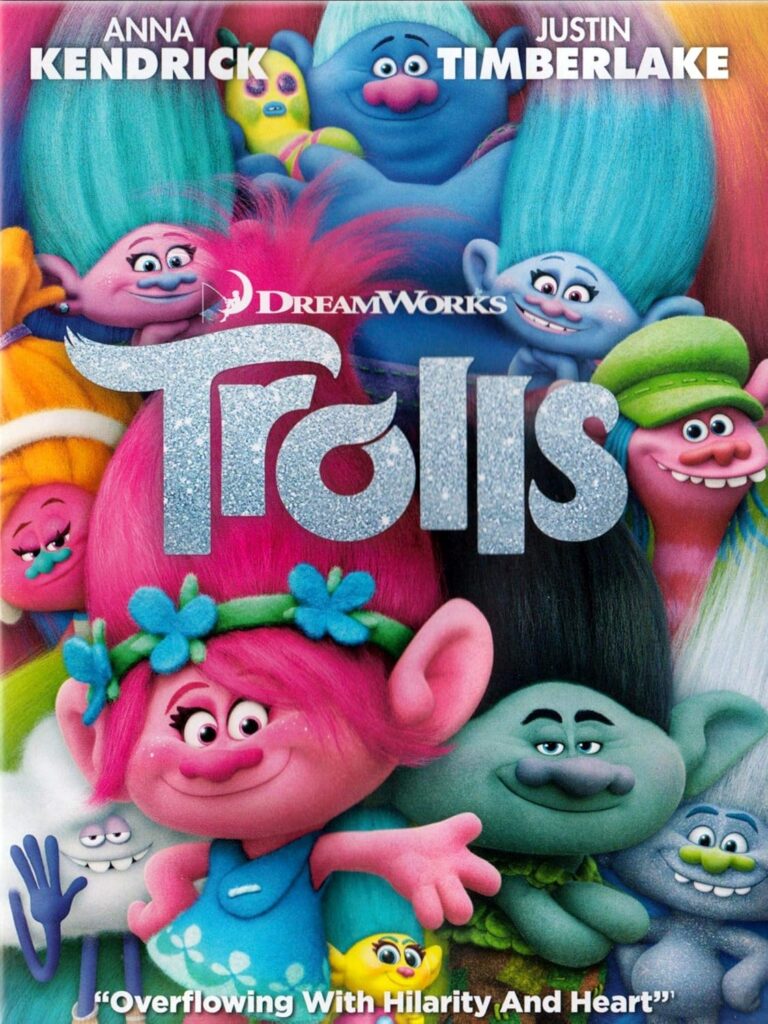
Trolls (age 6+)
Like in Shrek, the characters in question aren’t exactly human, but it’s still significant that Princess Poppy and the others in Trolls are not slimmed down. The film’s producer, Gina Shay, who has a daughter of her own, said, “As filmmakers we feel like it’s our responsibility to give girls memorable characters that don’t make them feel inadequate in body image. We broke every princess rule in the book on this one; we kept the troll shapes round, shoeless.”
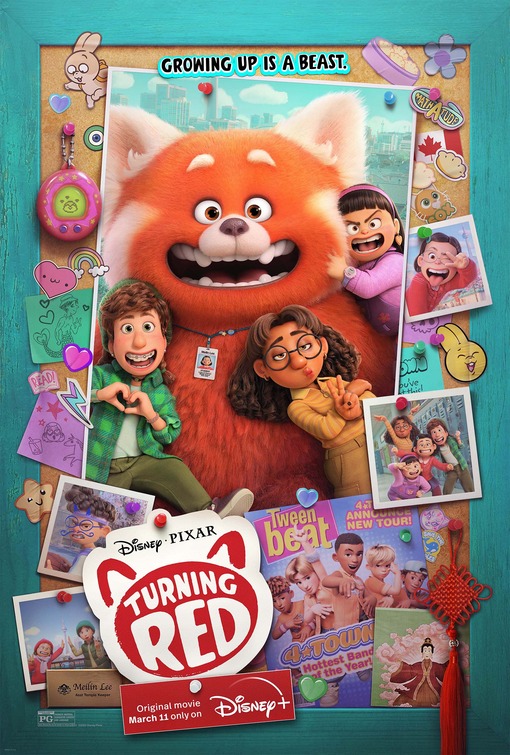
Turning Red (age 10+)
In this unique Pixar film, Mei and her friends have a variety of body shapes, sizes, and styles…and Mei turns into a giant, furry red panda when upset. The movie also addresses themes of puberty and growing up, and is a great one to watch and discuss with your tween.
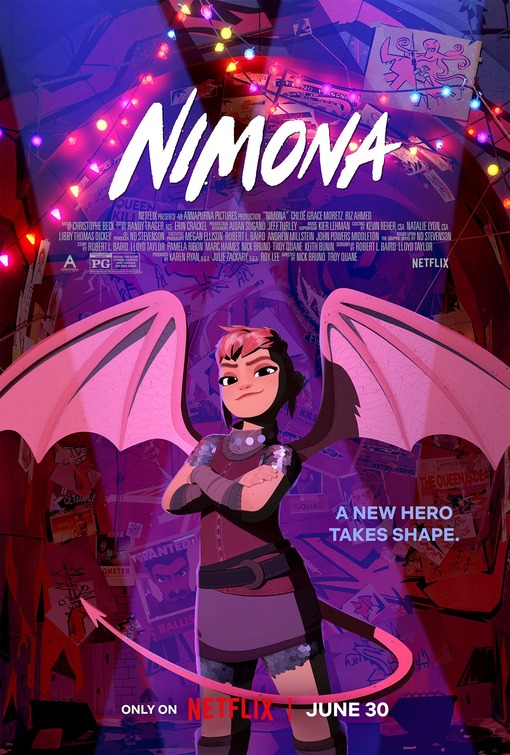
Nimona (age 11+)
This animated fantasy about a shape-shifter named Nimona is based on a graphic novel of the same name by ND Stevenson. When adapting the story for the big screen, Stevenson said about the main character, “One of the things that was really important to me was her body type. She’s chubby and she’s curvy, but she’s never sexualized, and she’s gender nonconforming. She just has her own unique style.”
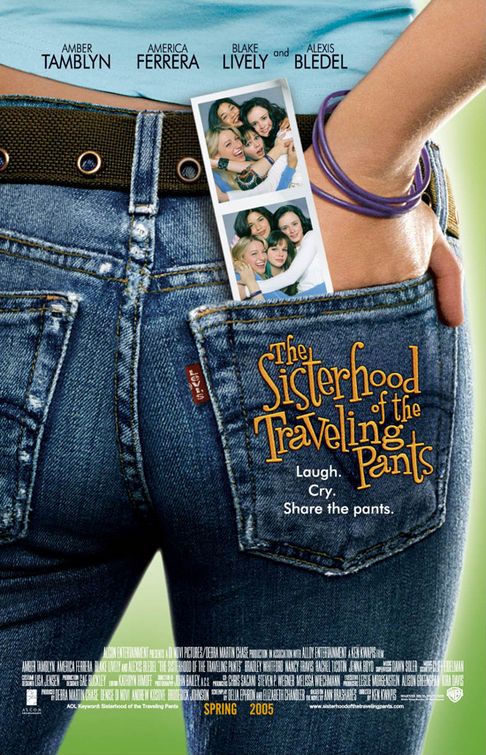
The Sisterhood of the Traveling Pants (age 12+)
In this teen classic from 2005, the four friends have different body shapes (yet the pants magically fit them all). In one iconic scene, America Ferrara’s character stands up for her curvy body shape and her heritage when she’s trying on dresses with her stepmother.
Kids’ shows with positive body representation
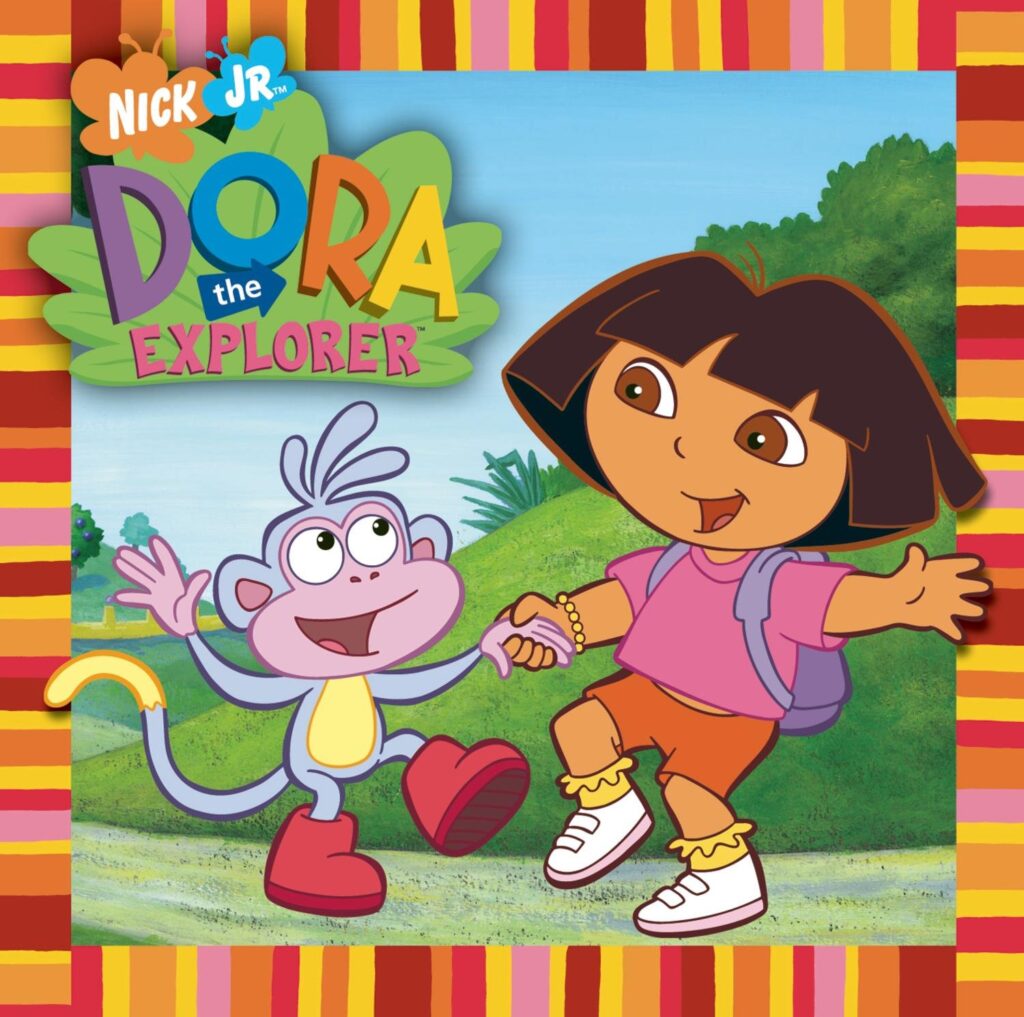
Dora the Explorer (age 3+)
The original Dora the Explorer seasons starting in 2000 featured an adventurous 7-year-old Latina main character who had an ordinary, round, little-kid body type and wore the same no-nonsense outfit every day. Many parents were upset by Dora’s feminized tween version that was announced in 2009.
But Why (age 6+)
But Why is primarily a podcast, but it also offers some video episodes. The show encourages scientific and cultural exploration, and its videos include a realistic variety of body sizes. In its episode about sugar, the host explains the science behind sugar and health without any body shaming.
She-Ra and the Princesses of Power (age 8+)
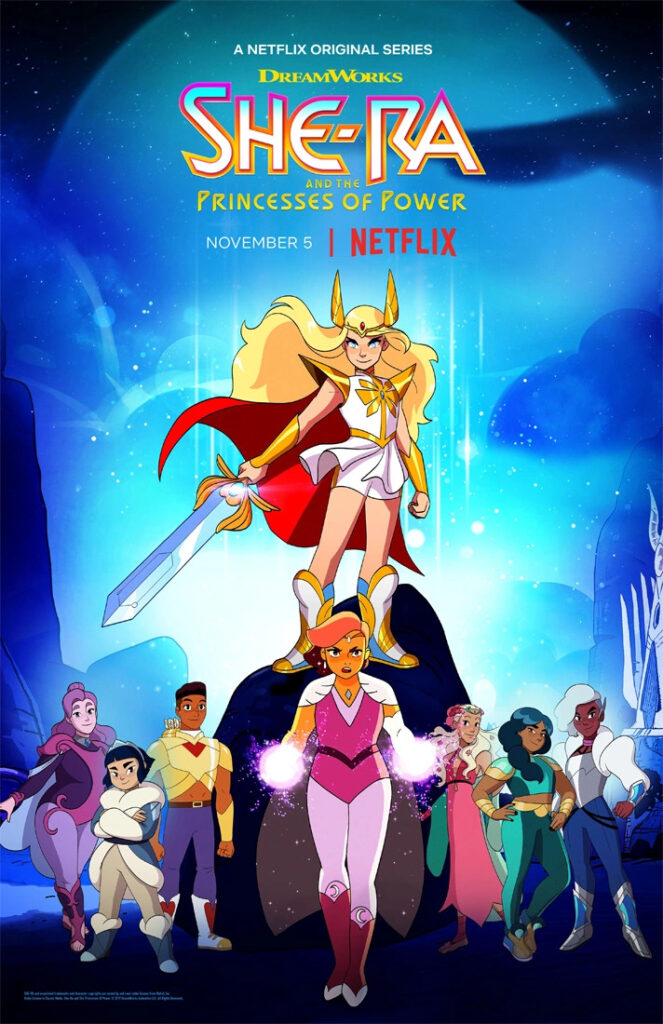
The 2018–2020 series, She-Ra and the Princesses of Power, is a reboot of a 1985 superhero series called She-Ra: Princes of Power. The newer version features female superheroes of varying shapes and sizes, as well as other forms of diversity.
The Owl House (age 8+)
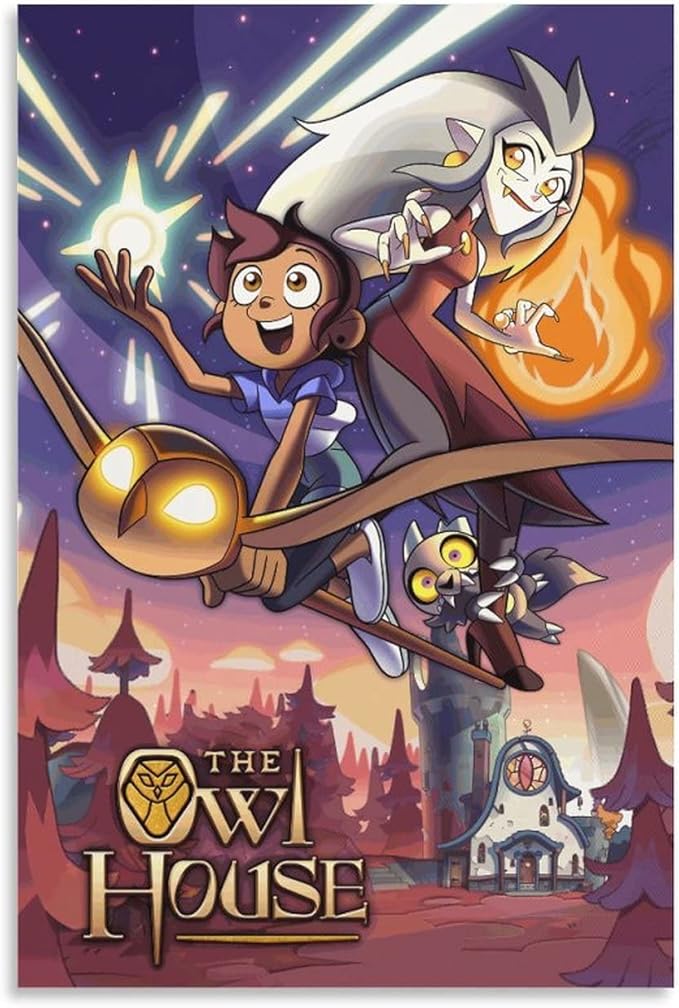
This animated fantasy series was lauded for its genuinely diverse cast of characters, including different skin tones, cultures, and body shapes. The characters form a caring band of magical misfits.
Steven Universe (age 10+)
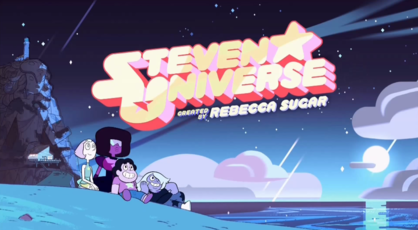
Steven Universe is another magical, animated series that features characters of all shapes and sizes, plus many other forms of diverse representation.
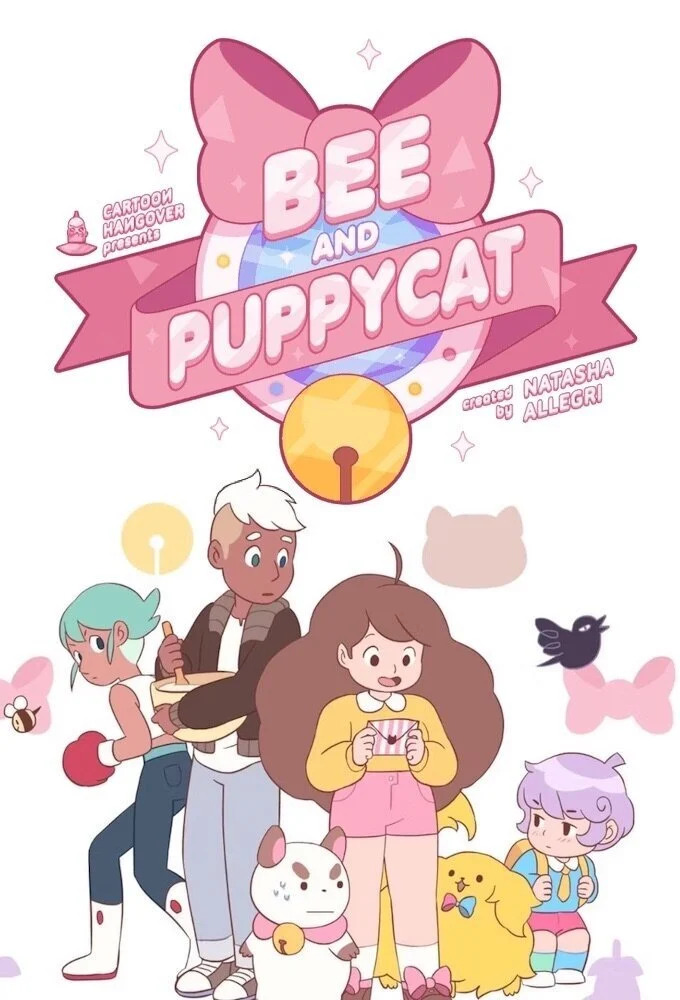
Bee and PuppyCat (age 13+)
This adorable animated series features a young woman (who happens to not have thigh gaps) and her pet (who may be both a dog and a cat) as they try out different jobs…in outer space! The characters are intentionally designed to have a variety of body types.