
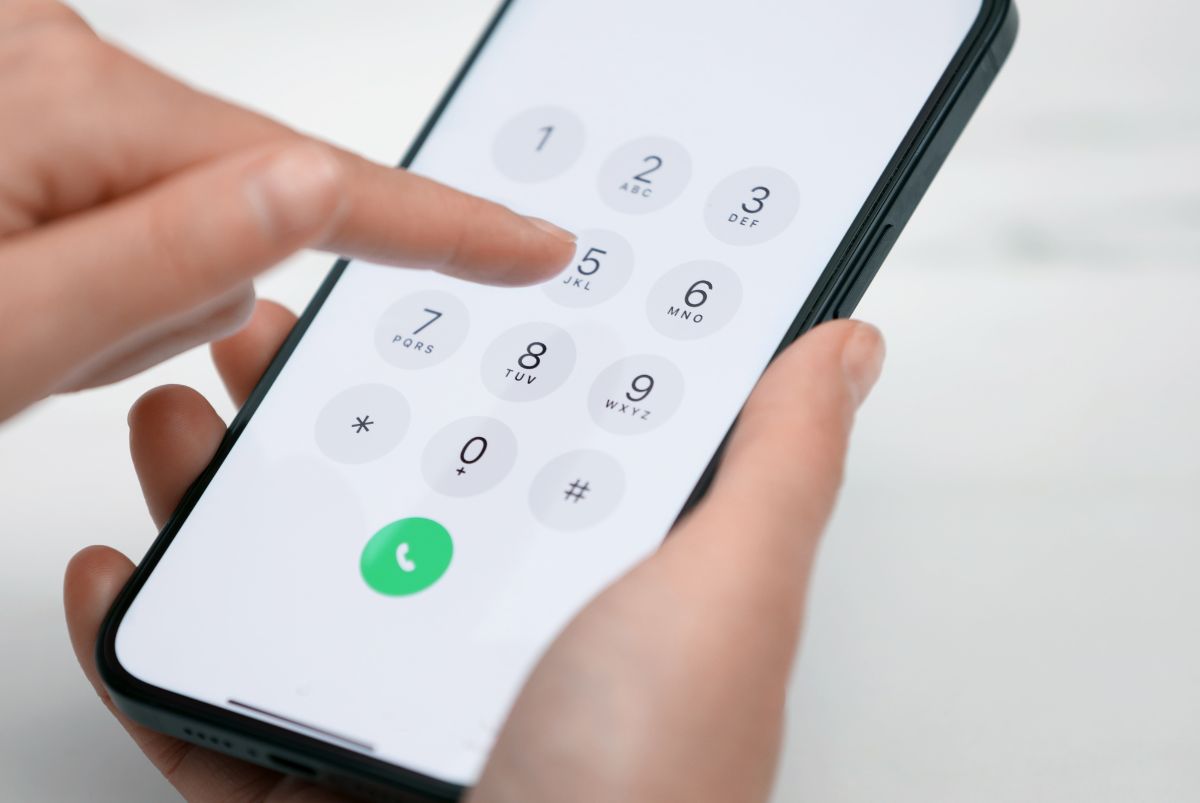
Does your child know how to call 911 in an emergency — even from a locked phone?
Fewer and fewer homes have landlines these days, and experts advise waiting until kids are at least 13 (in 8th grade) before giving them a mobile device of their own that’s connected to service. But most of our devices are locked when we’re not using them, and that has some parents worried about what kids should do in an emergency.
Right now, while you’re not dealing with an emergency, is the perfect time to teach kids what to do.
Dialing 911 from a locked device
View this post on Instagram
The first step is to get around that lock screen. This may vary depending on the device and individual settings:
- Usually you can swipe up on a device or press the power button 5 or more times to find the “Emergency Call” button on the lock screen.
- You can also long press the side button of most smart watches to get there.
Then, you just dial 911.
How to practice calling 911
Obviously we don’t want our kids to really call 911 if it isn’t an emergency, so you can use an old device, toy phone, or printout or drawing of the dialing and lock screens to practice on if you’re worried about accidentally placing a real call.
Here are some other safety tips you’ll want to keep in mind:
- Reassure them that the operator is there to help them, and it’s okay to trust them. Explain that the operator will ask questions about the emergency, like, “What happened?” or “Where are you?”
- Explain that they should make sure they’re safe before calling 911. For example, if there’s a fire, they should leave the house before calling.
- Teach your child their full name, home address, and phone number (here are tips for how to help them memorize a phone number). Make sure they know your full name and can describe your house, too.
- Practice naming different situations and deciding whether a call to 911 is appropriate or not. Make sure your kids understand when not to call 911 — like when they need help with homework or can’t find a toy.
- In addition to calling 911, make sure your child knows who the safe adults and neighbors are in your life, and how to identify potential helpers (police, store clerks, parents with kids) in public.
These lessons start for most kids around age 4, but depend on the child’s personality and the family situation (for example, families in very rural areas or whose family members suffer from chronic illnesses may want to teach kids at a younger age).