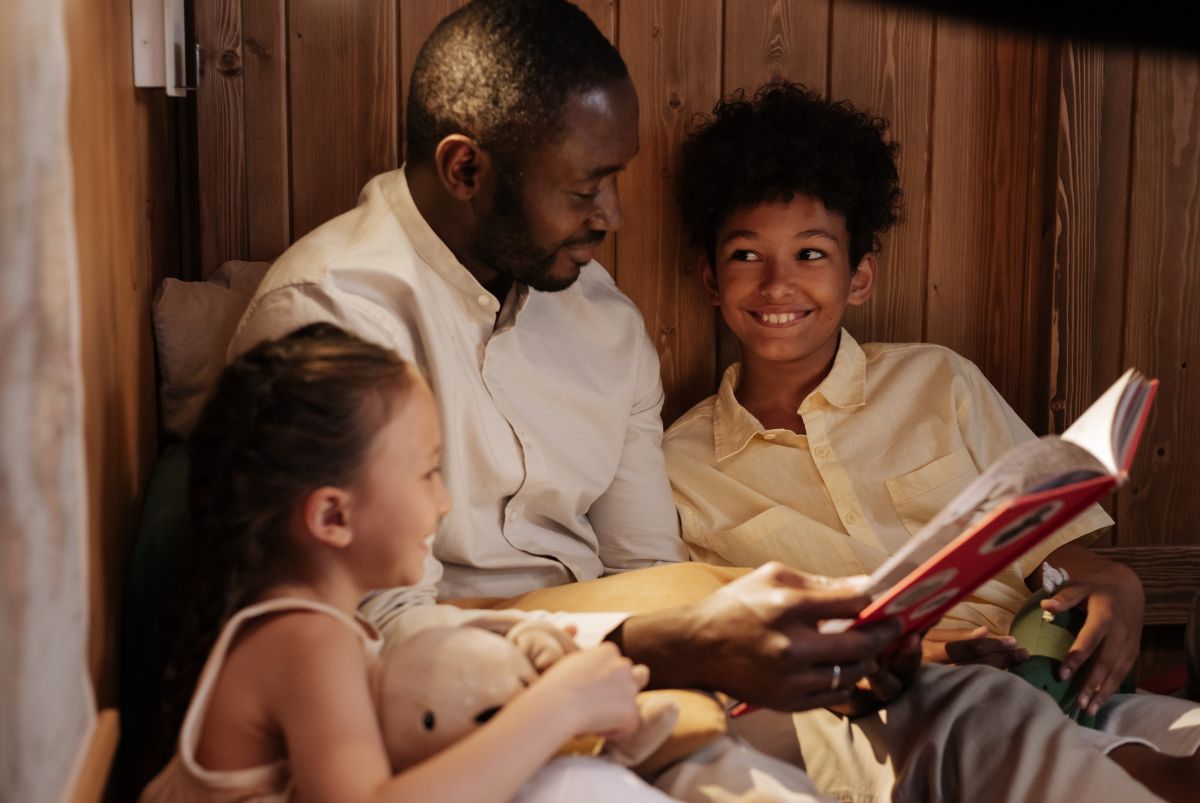
In these challenging times, with the constant headlines about families being separated and immigration authorities targeting different cities, it’s only natural for children to ask questions.
It is also natural for parents to struggle with navigating those conversations. How much information is too much? How do you explain something as complex as immigration in a way that is age-appropriate?
It’s tempting to avoid these conversations entirely, but it’s important to have them anyway, especially when your children may have a classmate who just lost a family member to deportation. In a political climate consumed by misinformation, it’s important to be honest.
It’s hard, but it doesn’t have to feel terrifying. The good news is families still have access to the one thing that has historically made difficult topics easier to digest — stories, specifically books written for children.
Stories have long been used to explore real-world topics in ways that feel accessible to young readers. A good example of this is the Percy Jackson series by Rick Riordan. In it, Percy learns that his ADHD and dyslexia are connected to his identity as the son of a Greek god. Through his adventures, readers with ADHD and dyslexia can see themselves reflected in a heroic character, while readers without those experiences gain a deeper understanding of them. All of this unfolds within an action-packed story filled with high stakes and characters readers can’t help but root for.
Or take Amari and the Night Brothers by B.B. Alston, whose well-crafted writing features themes of racism and classism, all told from the perspective of a 13-year-old Black girl from Atlanta navigating a supernatural world filled with wonder.
Talking about immigration doesn’t have to feel heavy. The great thing about children’s stories is that they can be enjoyed by readers of all ages, and the even greater thing is that there are many stories out there that address immigration in a way that feels digestible.
My book Chloe Vega and the Agents of Magic follows Chloe, the Mexican American daughter of undocumented immigrants. While the series features an elite magical academy, talking gargoyles, and silly classroom rivalries, it is grounded in Chloe’s very real fear that immigration authorities could one day detain her parents. The magic may be fictional, but Chloe’s worries are not.
Seeing those emotions reflected in a story can help young readers going through something similar feel less alone. For children who are unfamiliar with the immigrant experience, stories like Chloe’s offer a chance to understand how immigration policies affect families on a personal level.
Sometimes, learning about immigration from the perspective of a character close in age to your children can help when the time comes to initiate a conversation. For example, if families are reading the Chloe Vega series, parents could ask their children the following questions:
- Why is Chloe afraid of immigration authorities?
- Do you have any classmates going through something similar?
- Have you ever worried about someone you love?
- Why is it important for people to feel like they belong?
- What can we do to make others feel welcome in our communities?
Stories are also timeless. There is no need to cover everything in a single conversation. Books create space for these discussions to unfold gradually, allowing children to process new ideas without feeling overwhelmed.
To give another example, The Girl and the Robot by Oz Rodriguez and Claribel A. Ortega follows Mimi, whose Papi was just deported. While Chloe’s story centers on the fear of what could happen, Mimi’s story explores the impact of family separation after it has already occurred.
Reading stories from different perspectives can help children understand that there is no single immigration experience. Some families are navigating uncertainty. Others are coping with separation or the challenge of building a new life in an unfamiliar place. Together, these stories offer a fuller picture of the many ways immigration shapes people’s lives.
At a time when immigration is often discussed through policies and political debates, stories remind us of something essential: behind every issue are real people. Children may not need every detail about current events, but they do need opportunities to ask questions and better understand the experiences of others. Sometimes, all it takes is a good story to start the conversation.
Books featured in this article:
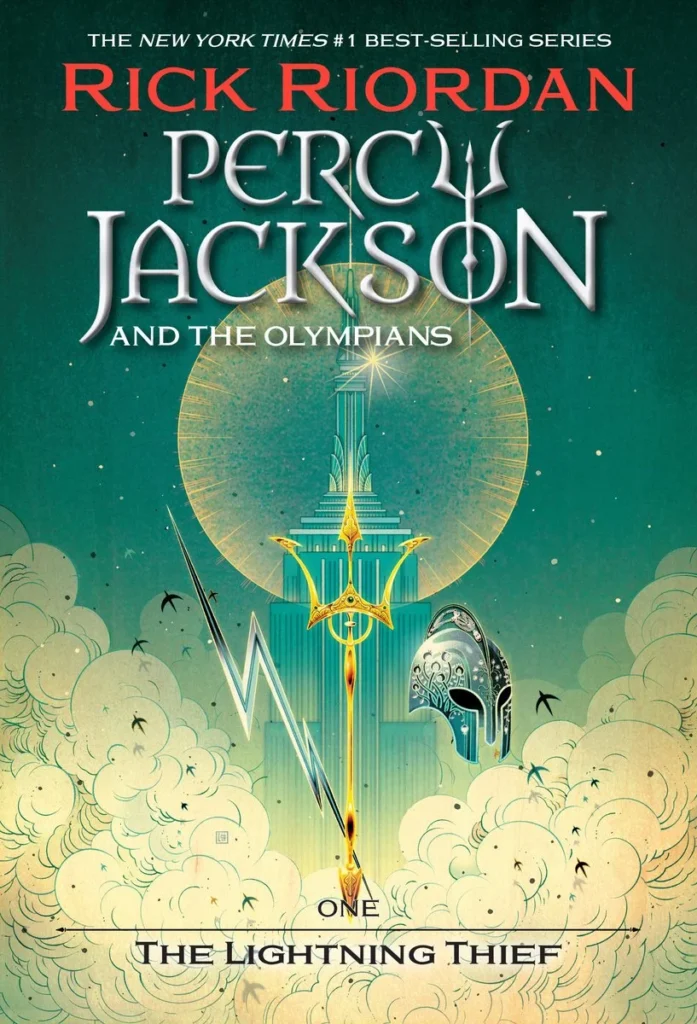
Percy Jackson and the Olympians by Rick Riordan
Buy: Bookshop | Better World Books | Barnes & Noble
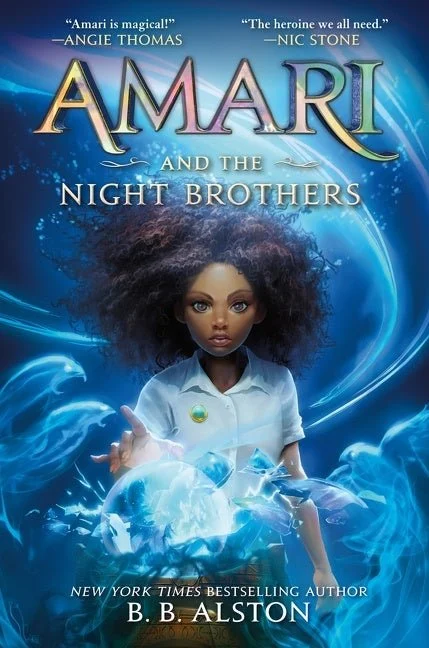
Amari and the Night Brothers by B.B. Alston
Buy: Bookshop | Better World Books | Barnes & Noble
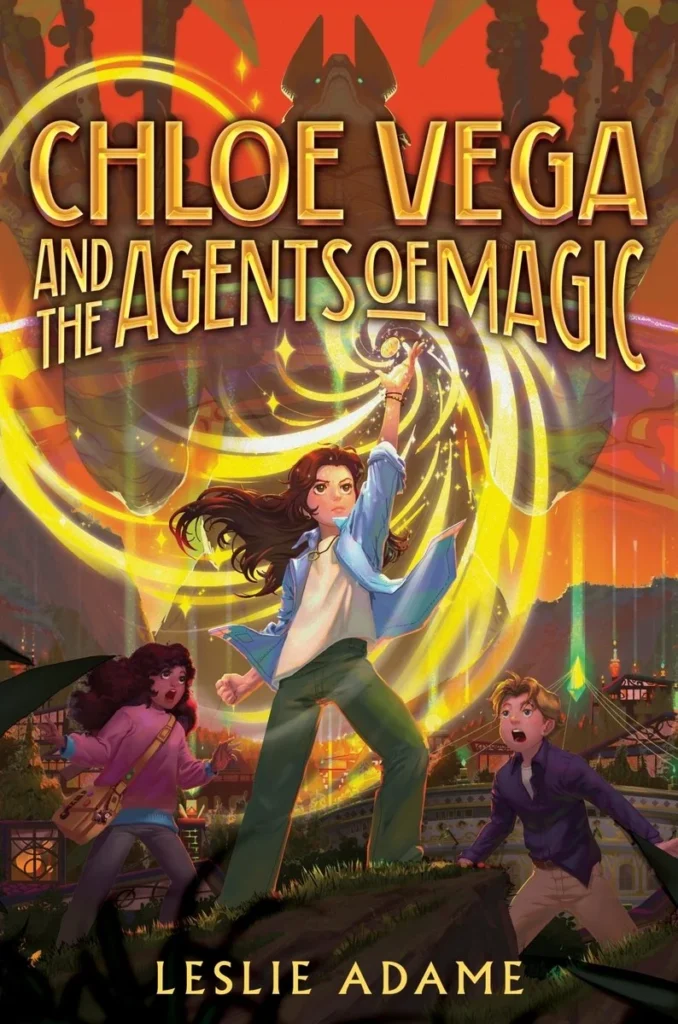
Chloe Vega and the Agents of Magic by Leslie Adame
Buy: Bookshop | Better World Books | Barnes & Noble
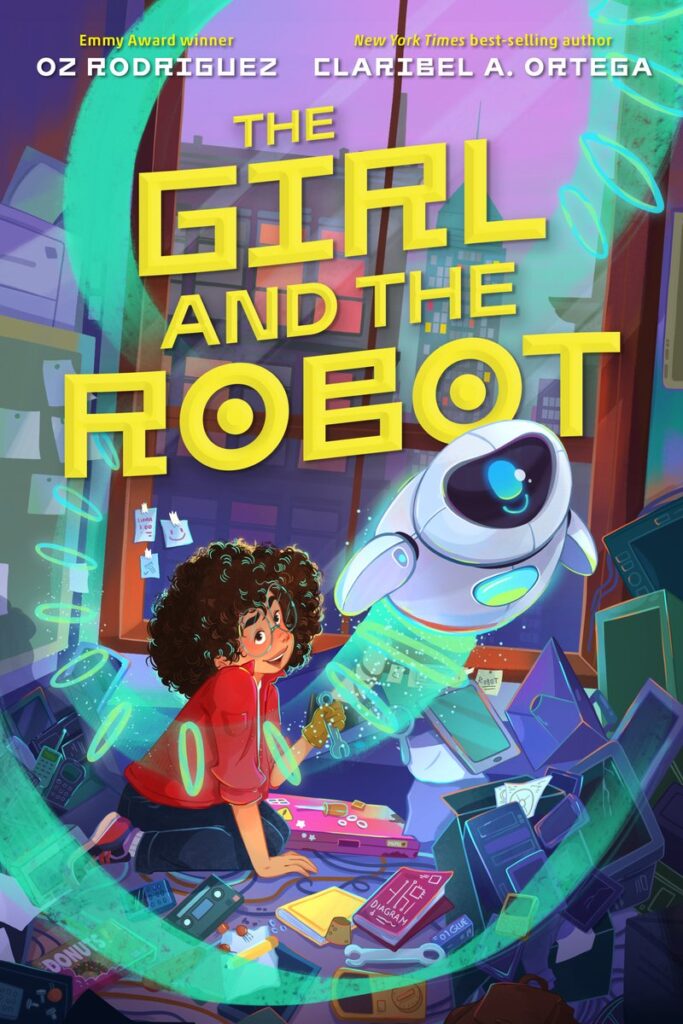
The Girl and the Robot by Oz Rodriguez and Claribel A. Ortega
Buy: Bookshop | Better World Books | Barnes & Noble