
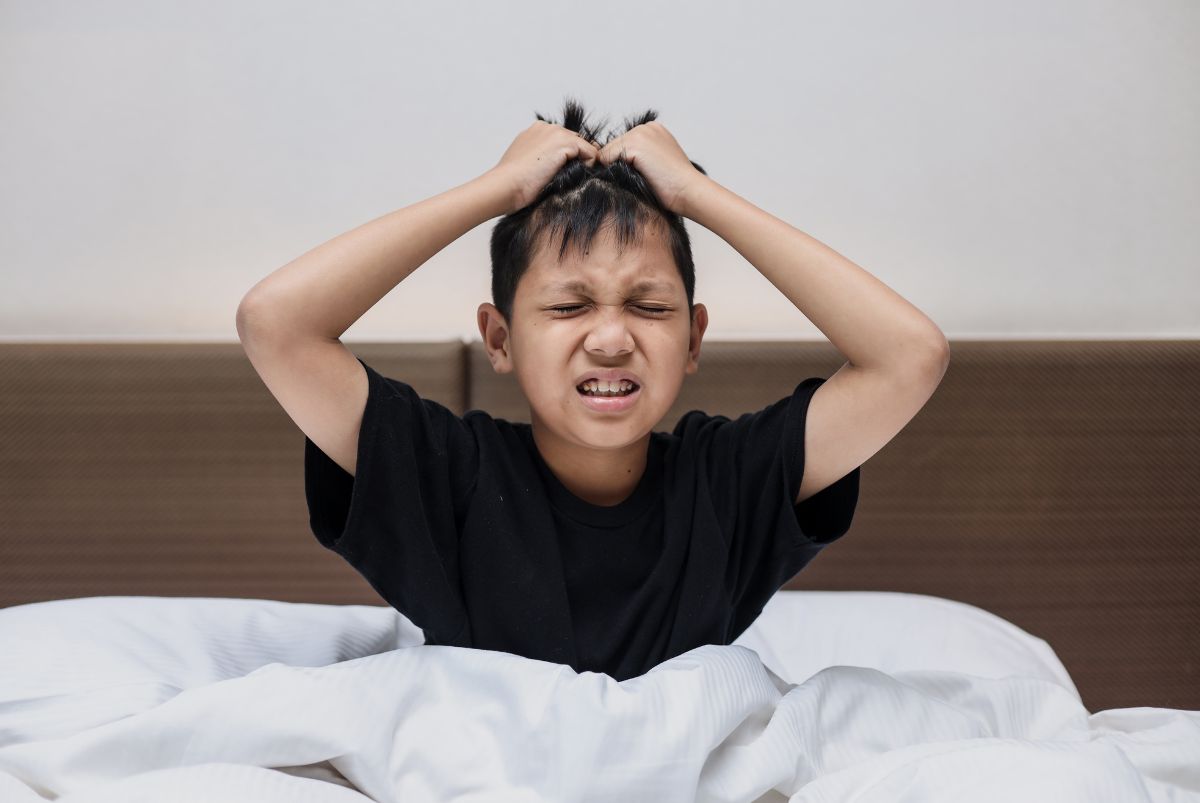
Your child is whining for the third time in five minutes and you feel your patience wearing thin. Before “stop whining” leaves your mouth, here’s what’s really happening: your child is communicating the best way they know how to in that moment, and they need your help learning a better way.
Saying “stop whining” isn’t going to hurt your child, but when we tell kids to stop a behavior without teaching them what to do instead, we’re not actually solving anything. Kids whine because they don’t yet have the skills to express themselves differently, or they’re so frustrated that they’ve forgotten how. They need us to acknowledge what they’re feeling and show them a more effective way to communicate.
These three phrases do the real work: they acknowledge your child’s feelings, teach them what effective communication looks like, and remind them that how we speak to people matters. You’re not just stopping the whining — you’re teaching them emotional awareness and communication skills.
Here’s what to keep in mind:
- Affirm the emotion first — feeling heard reduces the need to whine
- Teach what TO DO, not just what to stop doing
- Remind them that kind communication gets better results
- Model the tone and voice you want them to use
- Be patient — learning new skills takes time
Your child isn’t trying to drive you up the wall. They’re learning how to get their needs met, and you’re teaching them how to do it in a way that actually works. That’s a skill they’ll carry into every relationship they have.
Three things to say instead of “stop whining”
“I can tell this is important to you. Use your strong voice to tell me what you need.”
Why it works:
- Acknowledges their feelings and needs (feeling heard reduces the need to whine)
- Teaches them how to communicate better (instead of just telling them what NOT to do)
“Oh no! [Pretend to look around, in their ears, behind them, etc.] Where did all your ‘pleases’ go?”
Why it works:
- Humor breaks the tension and can pull your kids out of a whiny mood
- Gently reminds kids to use their manners without shaming them
“I’m not going to change my mind about this, but I’m happy to talk about ________ or ________.”
Why it works:
- Sets a clear boundary and changes the conversation
- Giving kids a choice about something, like what you talk about next, gives kids a sense of control and removes the power struggle
Whining is a skill issue, not a behavior issue. When you teach kids how to communicate effectively instead of just telling them to stop, you’re giving them tools they’ll use forever.