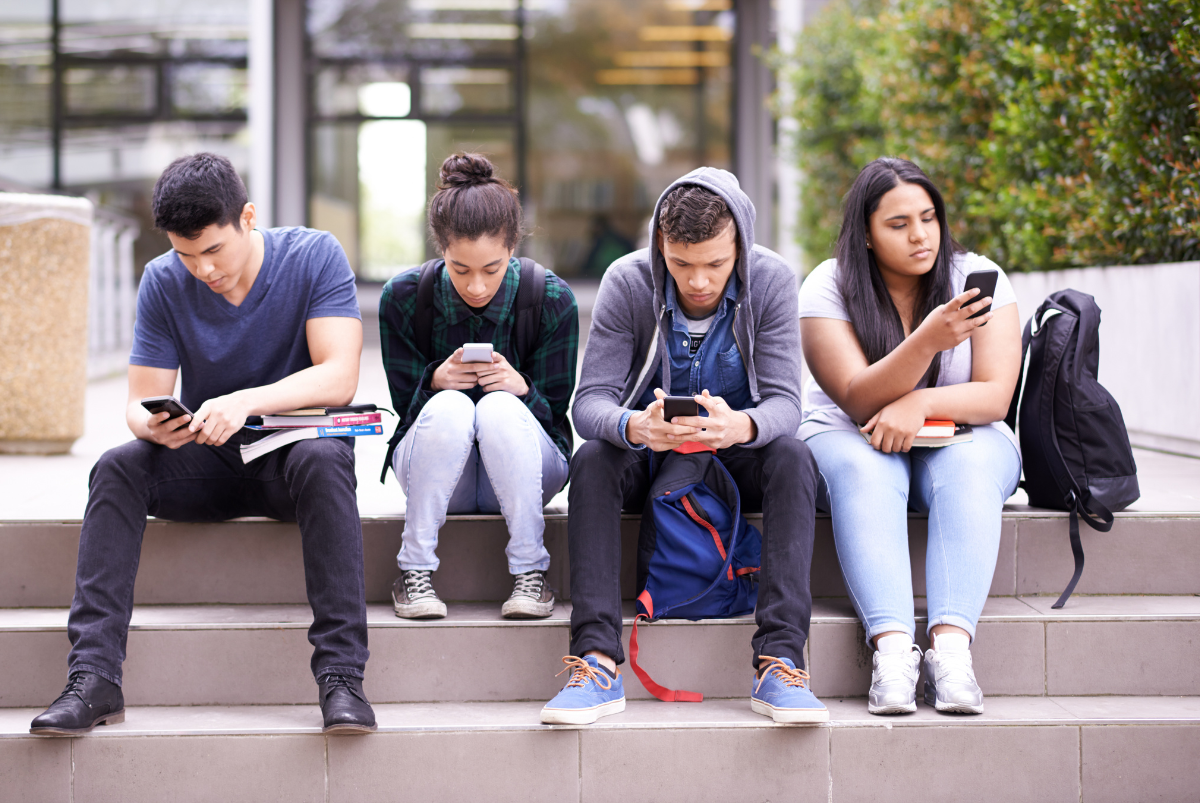
In December, Australia passed the Online Safety Amendment Act, banning children under 16 from accessing social media platforms. Since the law has gone into effect, teens and parents have been expressing mixed reactions to the change, but many agree the law will keep kids safer online, and improve child mental health.
The new law requires major social media platforms like Instagram and TikTok to implement age verification methods such as face or identification scanning, or verifying users’ bank information. If social media companies fail to comply with the age verification measures, they will incur a fine of 49.5 million Australian dollars ($32 million).
Some teens are embracing the ban and already noticing positive changes in their lives without access to social media. A 14-year-old named Amy shared a note in her journal with the BBC about how routines have changed since the ban. “I often used to call my friends on Snapchat after school, but because I am no longer able to, I went for a run,” she wrote.
Amy went on to say, “Opening Snapchat would often lead to Instagram and then TikTok, which sometimes resulted in me losing track of time after being swept up by the algorithm…I now reach for my phone less and mainly use it when I genuinely need to do something.”
Still, other kids have expressed anger and grief over losing access to their online networks. As many teens have turned to online spaces for social connection in recent years, particularly since the COVID-19 pandemic, some worry the social media ban will lead to isolation.
One Reddit poster shared their frustration shortly before the ban went into effect. “My playlist of 1,400+ songs on YouTube will be deleted and Reddit too, I have zero friends…I will be completely alone for the next three years until I am 16.” Another popular Reddit post said, “As an autistic 13-year-old I am devastated,” shining a light on the ways that social media can be particularly helpful for kids on the autism spectrum who may have trouble connecting socially with others.
Some teens have also shared that their peers are finding ways to circumvent the new law and bypass the age verification on social media apps. Others are migrating to new, smaller apps like Coverstar and Lemon8.
While some teens are pushing back, the general consensus among experts is that too much social media exposure at a young age can do real harm to kids’ mental health. The former US Surgeon General Dr. Vivek Murthy issued a statement in 2023 warning parents about the dangers of social media for kids. He told AP, “The bottom line is we do not have enough evidence to conclude that social media is, in fact, sufficiently safe for our kids. And that’s really important for parents to know.”
Experts urge parents to learn about the dangers of the platforms their kids are using, and maintain an ongoing dialogue as a family about how social media can impact their brain development and mental health. While limiting screen time as much as possible can help mitigate these impacts, many mental health professionals agree that no amount of time on social media apps is healthy for young kids.